

A smart spending plan can leave 20-35% of your take-home pay for pure fun.
That’s the guilt-free spending range personal finance author Ramit Sethi shared on X, right next to his savings and investing targets.
So the frugal vs cheap question isn’t about who spends less.
It’s about who decides where the money goes before it’s spent.
Below, you’ll see the 6 key differences side by side, a 7-question test for your own habits and the exact words to use when a group bill gets awkward.
Frugal vs Cheap at a Glance
Frugal and cheap people both like saving money, but they measure a purchase in very different ways. Here’s how the two compare on the things that decide whether a habit saves you money or just moves the cost somewhere else:
| Category | Frugal | Cheap | Winner |
|---|---|---|---|
| Bottom line | Value per dollar | Lowest price today | Frugal |
| Time horizon | Months and years | Right now | Frugal |
| Quality | Buys what lasts | Buys what's cheapest | Frugal |
| Who pays the hidden cost | You, by choice | Often someone else | Frugal |
| Tips and group bills | Pays a fair share | Underpays or dodges | Frugal |
| Fun money | Planned and guilt-free | Rare and stressful | Frugal |
| Upfront price | Sometimes higher | Always lowest | Cheap |
| Long-run cost | Usually lower | Often higher | Frugal |
| Overall | Saves money and goodwill | Saves now, pays later | Frugal |
Cheap wins exactly one row: the price at the register. Every other row favors frugal, because frugal habits count the costs that show up after you leave the store.
What Does Frugal Mean?
Frugal means using your money and your stuff carefully so each dollar does as much work as possible, then spending freely on the few things that matter most to you. Frugality is about cutting waste, not cutting everything.
That’s why a frugal person can drive a 12-year-old car and still book a great vacation.
The Apple Podcasts listing for Sethi’s show, Money For Couples, sums up the idea in one line: “spend extravagantly on the things you love, and cut costs mercilessly on the things you don’t.” The show is rated 4.7 from 3.5K ratings on that same listing.
In other words, frugal spending has a direction.
You decide what you care about first, then you squeeze everything else.
What Frugal Looks Like Day to Day
Frugal habits tend to be quiet and boring, and that’s a good sign. Here are the kinds of choices that fit:
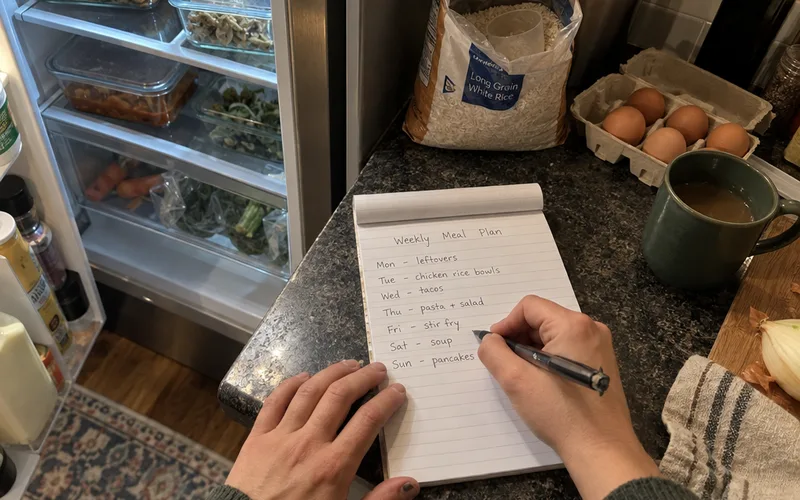
- Cooking at home most nights and planning around what’s already in the fridge
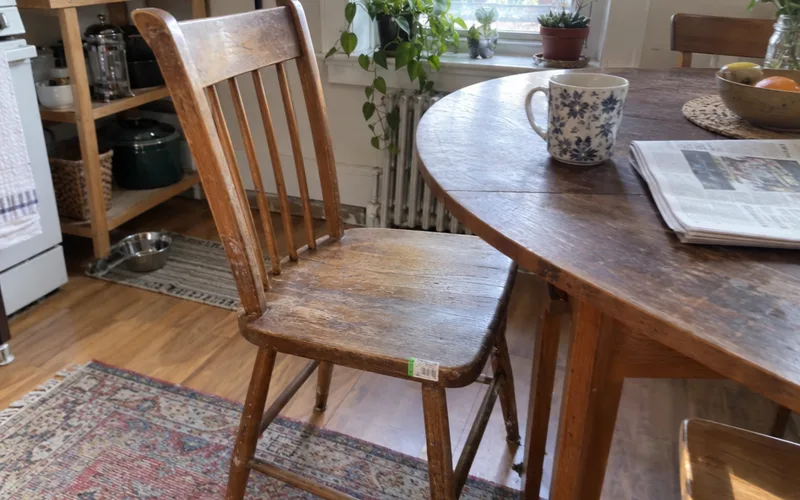
- Buying used furniture, tools and kids’ gear that still has years of life left
- Choosing store brands when the quality is the same
- Using coupons only for things you already planned to buy
- Paying for upkeep on time, from oil changes to furnace filters
- Borrowing or renting things you’ll use once
- Buying fewer, better pieces of the things you use every day
Notice what’s missing from that list. Nothing on it makes life worse for anyone else.
If you want more ideas in that spirit, these simple frugal hacks follow the same rule: cut the waste, keep the quality.
What Does Being Cheap Mean?
Being cheap means letting the lowest price decide, even when the item breaks fast, the savings waste your time or someone else quietly covers the difference. Cheapness treats every dollar spent as a loss.
That’s the big tell.
A cheap person doesn’t ask, “Is this worth it?” They ask, “What’s the least I can pay?”
Here’s what that looks like in real life:
- Buying the lowest-priced shoes, then replacing them every few months
- Skipping routine upkeep until a small fix becomes a big one
- Leaving a small tip, or none, to keep a meal’s cost down
- “Forgetting” a wallet when the group check arrives
- Taking far more free samples or condiment packets than you’ll ever use
- Driving across town to save a few cents on something small
Most of those habits feel like savings in the moment and cost more by the end of the year.

One fair caveat: buying the cheapest option because money is truly tight isn’t being cheap, it’s getting by.
Cheap is a choice people make when they could afford to do otherwise, and it usually shows up in how they treat others.
When the Cheapest Option Is the Smart One
Buying the lowest-priced version isn’t always cheap. For things you’ll use once, rarely, or only for a short time, the bargain can be the frugal pick.
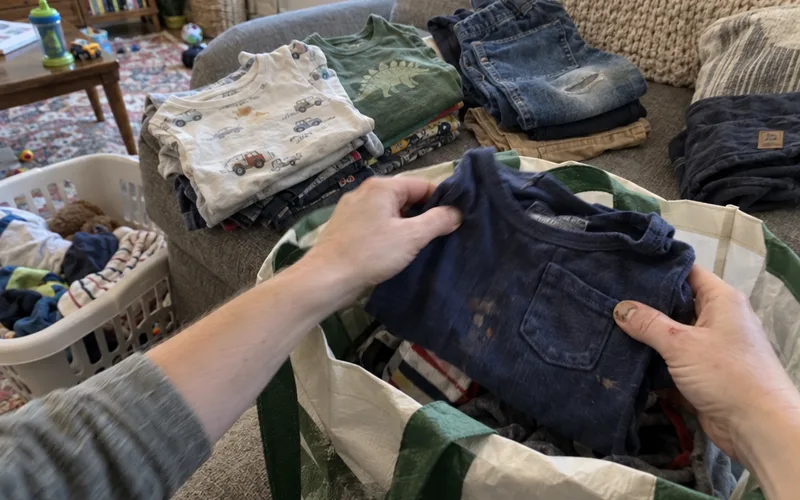
Think about a tool for a single project, clothes for a fast-growing toddler or gear for a hobby you’re only testing. Paying extra for years of life you’ll never use is waste, too.
That’s where “inexpensive” and “cheap” part ways.
An inexpensive item does its job at a fair, low price. A cheap one fails at the job, or saves you money by costing someone else.
So the question is never “Is this the lowest price?” It’s “Is this the right price for how I’ll use it?”
Frugal, Thrifty, Stingy or Miser: Which Word Fits?
Frugal and thrifty are compliments that mean careful with money, while stingy and cheapskate are insults for someone who won’t spend or share even when they easily could, and a miser takes that to the extreme. The words sit on a scale from smart to unkind.
Here’s the quick guide:
- Frugal: careful, value-focused spending with clear priorities.
- Thrifty: close to frugal, with extra focus on reuse, repairs and secondhand finds.
- Penny-pincher: someone who watches every cent, sometimes past the point of sense.
- Cheapskate: someone who avoids paying their fair share.
- Stingy: unwilling to give or spend, especially on other people.
- Miser: someone who hoards money and lives poorly to keep it, caring more about the pile than what it could do.
On the other end of the scale is the spendthrift, who spends fast and plans little.
Frugal sits in the middle, which is why it also gets compared with a lavish spending personality, the type that treats spending itself as the reward.
So if someone calls you frugal, take it as a compliment. If they call you stingy, it’s worth a second look.
6 Key Differences Between Frugal and Cheap
The 6 key differences between frugal and cheap all come down to what each one measures: frugal people weigh value, time, fairness and priorities, while cheap people weigh only the price tag. Each difference below shows where that split appears.
1. Value vs Price
Frugal people ask what a purchase gives them per dollar over its whole life. Cheap people look at the sticker and stop there.
Sethi once posted a puzzle on X that gets at this: “Two customers. Same product.”
One spends $50, and the other happily spends $500.
He didn’t answer it in the post. But the frugal reading is simple: what a thing is worth depends on how much use and joy you get from it, not just what it costs.
2. Next Year vs Today
Frugal thinking stretches into next month and next year. Cheap thinking stops at today’s receipt.
For example, a frugal homeowner fixes a small leak now because water damage costs far more later. A cheap one waits, hoping the problem goes away.
If home upkeep is where your budget hurts, these ways to save on home repairs keep the “fix it early” habit affordable.
3. Who Pays the Hidden Cost
Cheap habits often push the cost onto someone else: the server who gets a tiny tip, the friend who covers your share or the host who supplies everything. Frugal habits keep the cost on you.

That’s the cleanest test in this whole guide.
Wearing a worn-out sweater at home is frugal. Handing a guest a towel with holes in it is cheap, because now your savings land on them.
Work has its own version. Skipping the office gift collection while still taking a slice of the cake moves your share onto the coworkers who paid.
4. Cutting Waste vs Cutting Everything
Frugal people cut hard on the things they don’t care about and keep spending on the things they do. Cheap people cut everything, including the things that make life good.
The result?
The frugal person feels in control. The cheap person feels deprived, which makes the budget hard to stick with.
5. “I Choose” vs “I Can’t”
Frugal people say no from a place of choice: “We’re skipping this because we’re saving for a trip.” Cheap people say no from a scarcity mindset: “We can’t afford anything.”
That small change in wording matters.
“I choose” points your money at a goal. “I can’t” just feels like a wall, even when the money is there.
6. Your Time Counts vs Only Money Counts
Frugal people count their time as part of the cost. Cheap people count only dollars, so they’ll burn an hour to save a dollar.
Say you earn $25 an hour and drive 30 minutes round trip to save $3 on a single item. In this hypothetical, that half hour was worth $12.50, so the “deal” cost you $9.50.
Before chasing a small saving, ask what your time is worth first.
Frugal vs Cheap Examples From Everyday Life
Frugal vs cheap examples show the same pattern in every part of life: the frugal choice keeps the quality and fairness, and the cheap choice gives them up to shave the price. Here’s how that plays out in 7 common areas.
Groceries
A frugal shopper plans meals, buys store brands and eats the leftovers. A cheap shopper buys the lowest-priced food no matter how it tastes, then throws half of it away.
Clothes
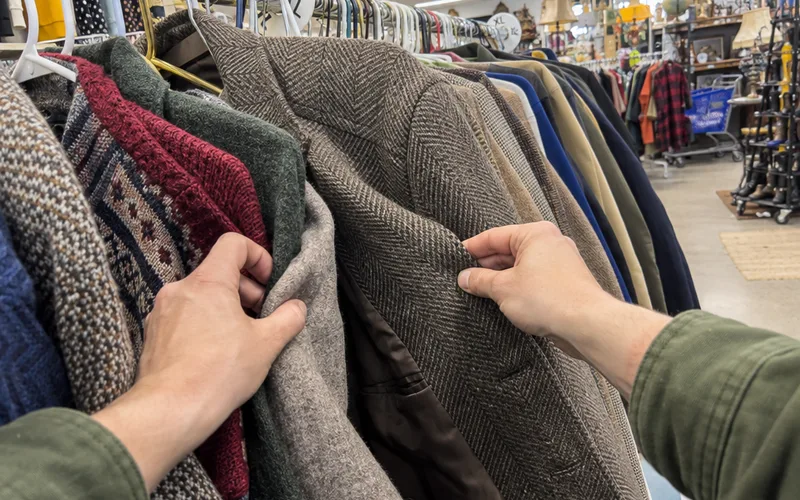
Frugal means fewer, better pieces and a trip to the thrift store before the mall. Cheap means a closet of bargain shirts that stretch out after a few washes.
Gifts
A frugal friend sets a gift budget and sticks to it, or makes something thoughtful. A cheap friend re-gifts something they didn’t want, or skips the gift and hopes no one notices.
Eating Out
A frugal diner picks a lower-priced place or goes at happy hour. A cheap diner picks the nice place, then tips poorly to make up for it.
Home
Frugal homeowners fix small problems early and buy tools they’ll use for years. Cheap homeowners put off repairs until the small problem becomes a big bill.
Travel
A frugal traveler books off-season at a decent hotel. A cheap traveler books the worst room in town to save a few dollars, then spends the trip unhappy.
Subscriptions
A frugal person cancels the streaming service nobody watches and keeps the one the family uses every night. A cheap person cancels everything, including the one show everyone looked forward to, to save a few dollars a month.

See the pattern?
In every pair, frugal spends a little thought upfront, and cheap pays for it later in money, comfort or goodwill.
Why Being Cheap Costs More in the Long Run
Being cheap costs more in the long run because the lowest sticker price ignores the total cost of ownership: replacements, repairs, wasted time and strained relationships that pile up after checkout. Those costs are easy to miss because they arrive later, a little at a time.
Here’s where they come from.
Repeat Replacements
Low-priced items that wear out fast make you buy the same thing again.
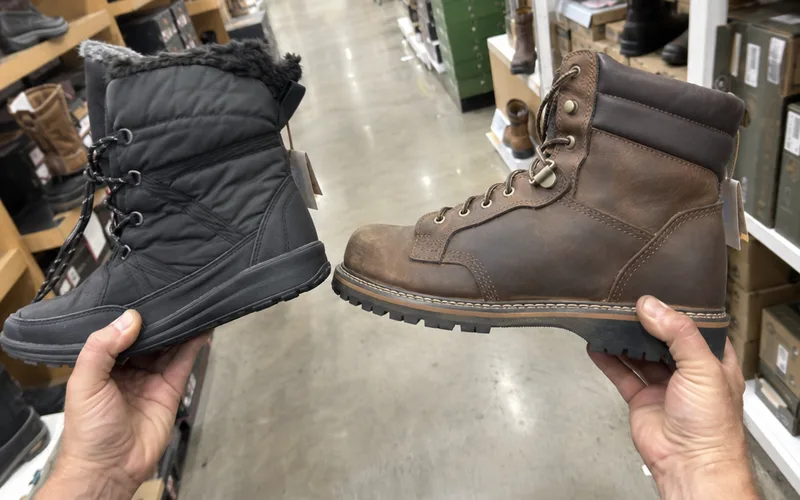
Take a made-up but realistic example. A $30 pair of winter boots lasts 1 winter, and a $120 pair lasts 6 winters.
Over 6 winters, the cheap pair costs you $180. The better pair costs $120, or $20 per winter instead of $30.
Nice.
That’s the frugal math: divide the price by how many seasons or uses you’ll get. The same logic works for coats, work shoes and anything you wear every week, which is why it pays to save on clothes by buying fewer, better pieces.
Skipped Upkeep
Skipping routine maintenance saves a little now and often costs a lot later.
Cars are the classic case. A skipped oil change or ignored warning light can turn a small bill into a big repair, so a frugal driver finds cheaper ways to handle car maintenance instead of skipping it.
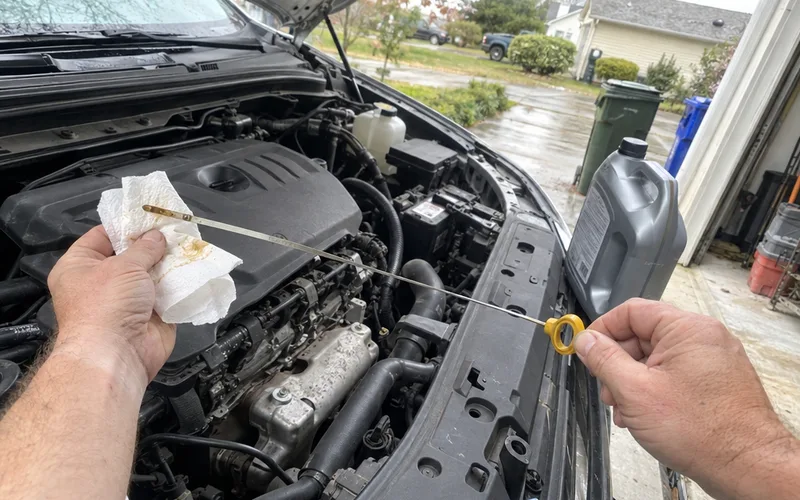
The same goes for teeth, roofs and furnaces. Upkeep is the boring bill that stops the scary one.
So put the routine stuff on a calendar, with the money set aside ahead of time. That way it never depends on how flush you feel that month.
Lost Goodwill
Cheap habits also cost you in ways that never show up on a statement.
Friends stop inviting the person who always underpays. Coworkers notice who never chips in.
Goodwill is hard to price, but it’s expensive to lose.
How to Tell If You’re Frugal or Cheap
You can tell if you’re frugal or cheap by asking who pays for your savings and whether the purchase still works for you a year from now. If someone else pays or the item won’t last, the habit leans cheap.
Run any recent purchase or money habit through these 7 questions:
- Did my saving cost someone else time, money or comfort?
- Will this item still work for me in a year?
- Did I compare the cost per use, not just the price?
- Would I be embarrassed if a friend saw how I handled this?
- Did I spend more time hunting the deal than the saving was worth?
- Am I skipping upkeep that protects my health, safety or car?
- Do I still spend freely on at least one thing I truly love?
There’s no official score here. But a pattern matters more than any one answer, so look for the same “cheap” answer showing up again and again.
Here’s an example:
Say you’re choosing a winter jacket. In this hypothetical, a $40 jacket that lasts 1 season and a $160 jacket that lasts 5 work out to $40 and $32 per winter.
The pricier jacket is the frugal pick, as long as you’ll really wear it for those 5 winters.
The test isn’t about spending more. It’s about spending in a way you won’t regret.
When Frugal Turns Into Cheap
Frugal turns into cheap when saving money starts hurting your health, your safety, your relationships or someone else’s pay. That’s the line, and it’s easy to cross without noticing.
Watch for these warning signs:
- You skip doctor or dentist visits to save the copay
- You put off car or home repairs that affect safety
- Friends start covering for you at group meals
- Every purchase feels stressful, even small ones you can afford
- You feel guilty spending on anything, including gifts
Some people push saving much further on purpose, and that can work for a while. If you’re drawn to that path, read up on extreme frugal living first so you know where people tend to burn out.
If your savings are making life smaller instead of better, it’s time to loosen up in at least one area.
How to Handle Tipping and Group Bills Without Being Cheap
To handle tipping and group bills without being cheap, set your limit before you go, say it early and pay your full share of whatever you order, including the tip. Being upfront is frugal, while being vague and letting others cover the gap is cheap.
Here’s how to do it in 3 common spots.
Before the plans are set. Suggest something that fits your budget instead of quietly underpaying later.
Here’s what to say: “I’m keeping this month tight. Want to do a picnic or a cheap movie night instead?”
A short list of cheap date ideas is handy for exactly this.
When the check arrives. If you ordered less, ask to split by item, and add the tip to your share.
Try this: “Mind if we split by what we ordered? I’ll cover my soup, my drink and the tip on both.”
When a friend asks you to pay this time. Say yes or no clearly, and don’t make it weird later.
For example: “I can cover drinks tonight, but I can’t do dinner too. Next one’s on you?”
The tip is part of the meal’s price, so budget for it before you sit down.
What a Frugal Spending Plan Looks Like
A frugal spending plan sets limits for fixed costs, savings and investing first, then gives the rest to guilt-free spending, so the fun money never comes with guilt. You decide the big picture once instead of fighting over every coffee.
Sethi’s own version is a good model. He wrote on X that he doesn’t track every expense, calling it “a waste of time,” and focuses on 4 numbers instead:
- Fixed costs: 50-60% of take-home pay
- Savings: 5-10%, higher is better
- Investments: 5-10%, higher is better
- Guilt-free spending: 20-35%
Here’s how that could look on a hypothetical $4,000 monthly take-home pay:
- Fixed costs at 55%: $2,200
- Savings at 10%: $400
- Investments at 10%: $400
- Guilt-free spending at 25%: $1,000
That’s $4,000 with nothing left unassigned.
Not bad.
The point isn’t these exact numbers. It’s that frugal people plan the fun on purpose, while cheap people try to make the fun line zero.
If you’d like a second simple split to compare, the 70/20/10 budget rule divides pay in a similar way. And for gifts, tips and upkeep that come up a few times a year, sinking fund categories let you save a little each month so generosity never wrecks your budget.
When One Partner Is Frugal and the Other Is Cheap
When one partner is frugal and the other is cheap, the fights usually aren’t about the amount spent; they’re about what each person thinks is worth paying for. Naming that difference out loud is the first step to fixing it.

Sethi’s podcast tackles this kind of clash head-on. Its Apple Podcasts listing says he talks with couples to help them get past “guilt, resentment, & fighting over purchases.”
Here’s a simple way to start that talk:
- Each of you lists 3 things worth spending on. Don’t judge the other list yet.
- Agree on what you’ll both cut. Look for the categories neither of you cares about.
- Give each person a no-questions-asked amount. Pick a monthly figure each of you can spend freely.
- Plan the shared costs together. Upkeep, gifts and group plans go in the budget before the month starts.
Here’s what to say to get it going: “I don’t want to fight about every purchase. Can we each pick what matters most to us and plan around that?”
Once both lists are on paper, “frugal or cheap?” stops being an argument and becomes a plan.
How to Stop Being Cheap Without Overspending
To stop being cheap without overspending, pick 2 or 3 things you truly care about, give them a set budget and keep cutting hard everywhere else. You keep the savings and drop the habits that cost you more.
Here’s a simple way to start:
- List what you love. Write down the 2 or 3 things that make your life better, like travel, good food or a hobby.
- Give each one a budget. Set a monthly amount and spend it without guilt.
- Price by use, not by tag. For things you use every week, divide the price by how long they’ll last.
- Put upkeep on a schedule. Book the oil change, cleaning or filter swap before something breaks.
- Budget for generosity. Set aside money for tips, gifts and your share of group plans.
- Value your time. Skip any deal that takes longer than it’s worth to you.
And if you find yourself swinging the other way, these ideas on how to stop spending so much can help you find the middle again.
For more everyday ideas in the same spirit, browse these frugal living tips and pick one to try this week.
Frequently Asked Questions
Is being frugal the same as being cheap?
Being frugal is not the same as being cheap: frugal people judge a purchase by its value over time, while cheap people judge it by the lowest price today. A frugal person will pay more for boots that last, and a cheap person will buy the bargain pair again and again.
Is frugal positive or negative?
Frugal is a positive word that means careful and resourceful with money, while cheap usually carries a negative meaning. Calling someone frugal is a compliment, but calling them cheap suggests they’re unfair or careless about quality.
Is being frugal a red flag?
Being frugal is not a red flag on its own, because it means someone plans ahead and spends on what matters to them. The real red flag is cheap behavior, such as dodging a fair share of the bill or refusing to spend on anything, even gifts and basic upkeep.
What is another word for cheap or frugal?
Thrifty and economical are kind words for frugal, while stingy, cheapskate, penny-pincher and miser are harsher words for cheap. Pick thrifty to praise careful spending, and save stingy for someone who won’t pay or share even when they easily could.
What is the difference between cheap and inexpensive?
Inexpensive describes a fair, low price for something decent, while cheap often suggests low quality or a person who won’t spend. A $10 meal that tastes good is inexpensive, and a $10 jacket that falls apart in a month is cheap.
Is it better to be frugal?
Being frugal is better than being cheap for most people, because it cuts waste without cutting quality, safety or your relationships. Start with the 2 or 3 things you care about most, then cut hard on everything else.
Is it worth paying more for quality to be frugal?
Paying more for quality is worth it when the better item lasts long enough to cost less per use, such as shoes, coats, tools and appliances you use often. It’s not worth it for items you rarely use, where the cheaper or used option is the frugal pick.
Are most wealthy people frugal?
Wealth and frugality can go together, because frugal means spending on purpose, not refusing to spend. Personal finance author Ramit Sethi, for example, plans 20-35% of take-home pay for guilt-free spending and cuts costs hard on the things he doesn’t care about.
Final Thoughts
Frugal vs cheap isn’t about how much you spend. It’s about whether you’re buying value and treating people fairly, or just chasing the lowest number.
This week, run one recent purchase through the 7-question test above, then pick one thing you love and give it a guilt-free budget.