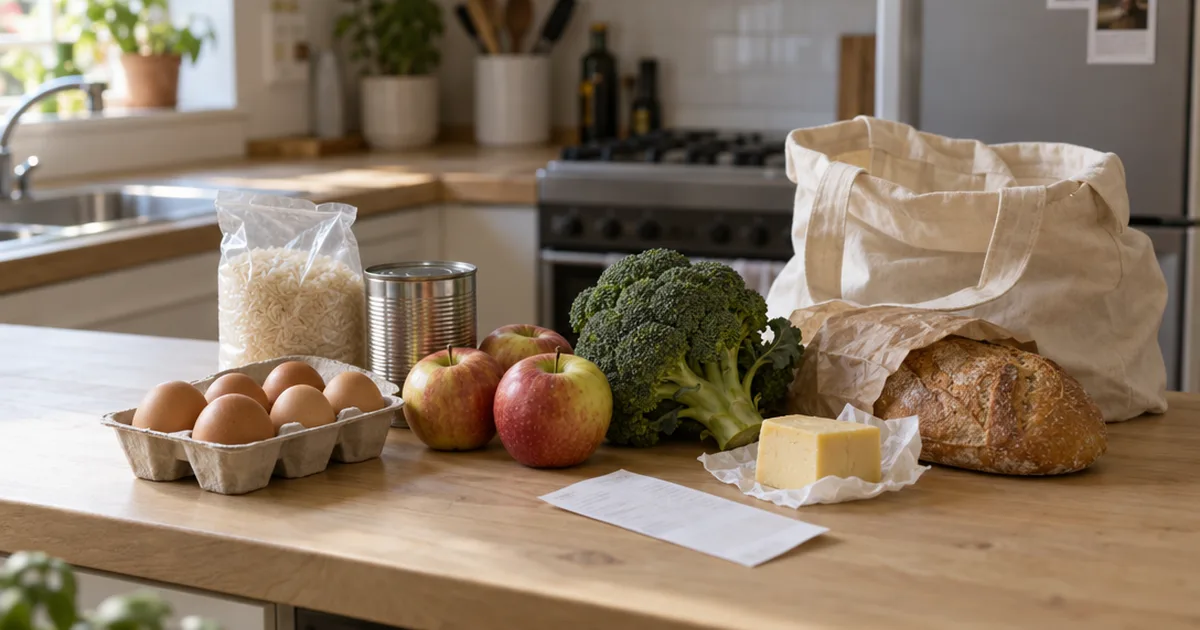

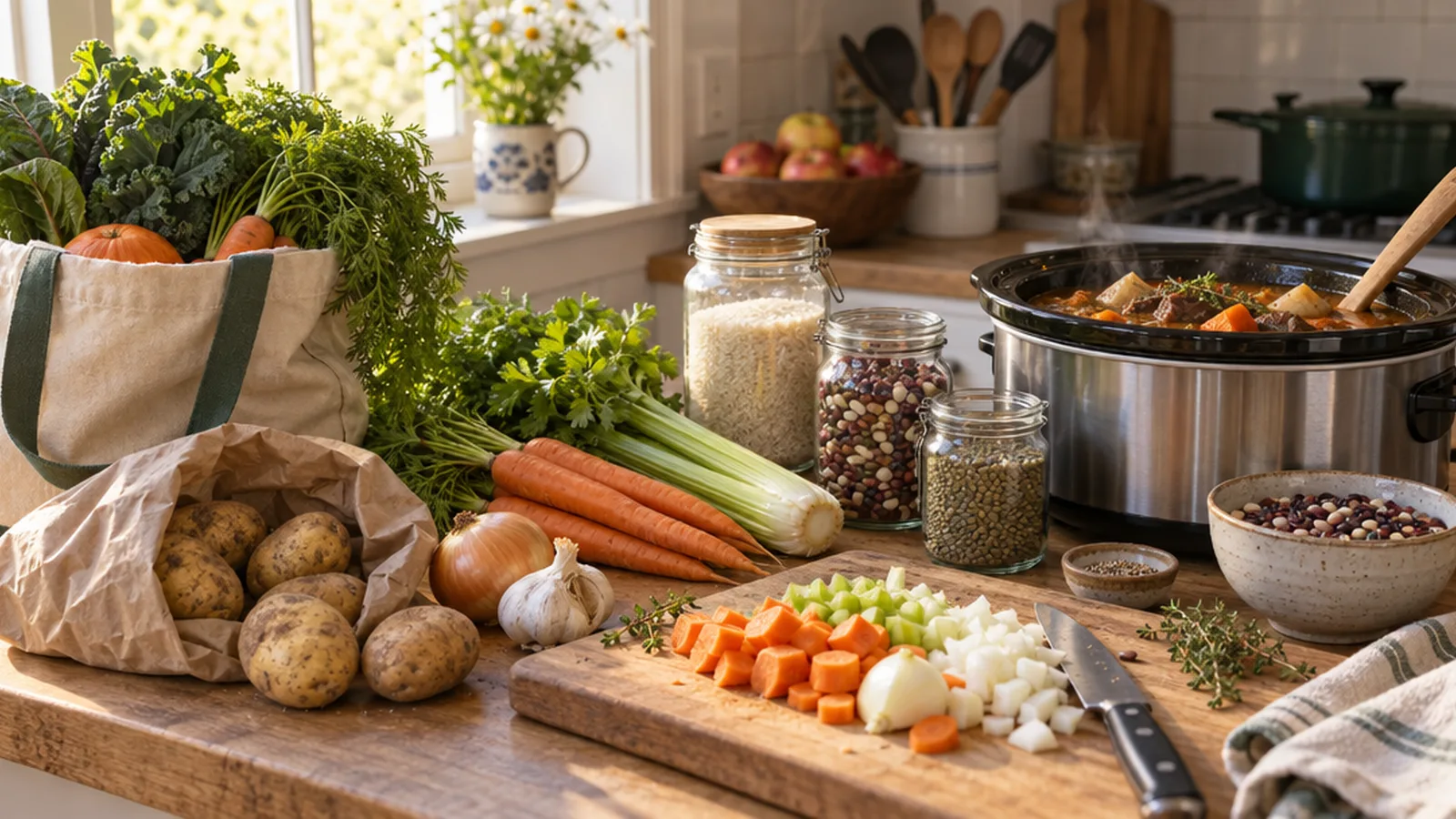
Groceries are one of the few big costs you can change this week, with no phone call, contract or waiting period. The tips for saving money on groceries below follow the order you’d use them: before you shop, in the store and once the food is home.
Each tip explains how to do it and where the catch is, because a habit that doesn’t fit your week won’t last long enough to save anything. If you only have time for a few, start with the first three, since they shape every trip that follows.
Why your grocery bill feels bigger than it used to
Some of the squeeze comes from prices you can’t control.
Agricultural economists writing for The Conversation found that ground beef is up more than 20% since January 2025. Drought and a cattle parasite outbreak have both tightened the supply.
The rest of the squeeze is quieter. The EPA estimates the average family of four spends almost $3,000 a year on food that never gets eaten.
That second number is the hopeful one. You can’t set the price of beef, but you do decide what goes in your cart and what happens to it after you get home.
How much should you spend on groceries?
There isn’t one right number, because a fair grocery budget depends on how many people you feed, where you live and how much you cook. A single person in a small town and a family of five near a big city can both be doing well at very different totals.
So start with your own spending. Add up every grocery receipt, takeout order and convenience store snack for one month, then set a weekly target a little below that average.
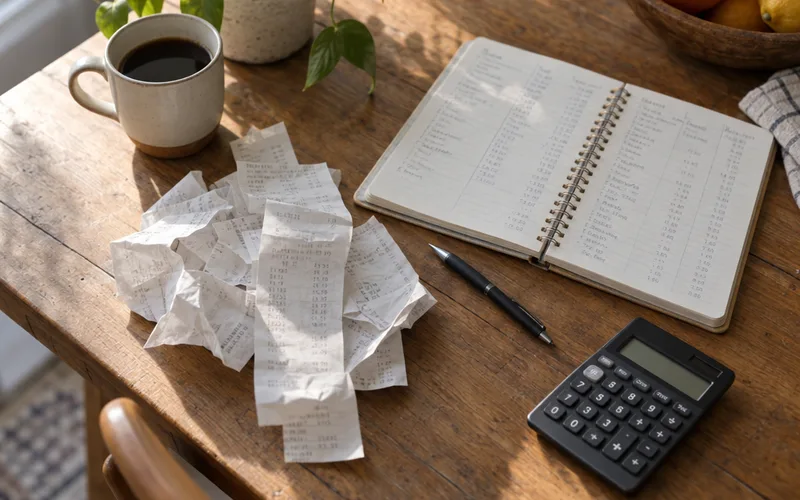
Your bank or card statement makes this easier than saving paper receipts. Many banking apps sort purchases into categories, so you can see grocery and restaurant spending side by side and spot where the money really goes.
From there, compare your number with realistic examples for your household. The guides to a monthly food budget for one and a food budget for two walk through sample amounts and what they actually buy.
Once you have a target, a written monthly budget plan shows where groceries fit beside rent, bills and savings. That turns “spend less on food” into a number you can check every week.
Tips to use before you go to the store
Most grocery savings are decided at the kitchen table, not in the aisle. A few minutes of planning shapes what you buy, how much you buy and how often you go back.
1. Shop your kitchen first
Before you make a list, open the fridge, freezer and pantry. Look for food that needs to be used soon, and plan the next few meals around it.
That quick check stops you from buying a second jar of something you already own. If you’re stuck for ideas, recipe apps that use what you have can suggest a meal from the odds and ends.
And if your shelves turn out to be fuller than you thought, a pantry challenge turns eating them down into a short, structured game. You’ll also learn what you tend to overbuy, which makes the next list smarter.
2. Plan meals around the weekly sales
Most grocery stores publish a sales flyer each week, in print, online or in their app. Start with the proteins on sale, since meat and fish are usually the most expensive part of the cart, then choose sides and produce from the same flyer.
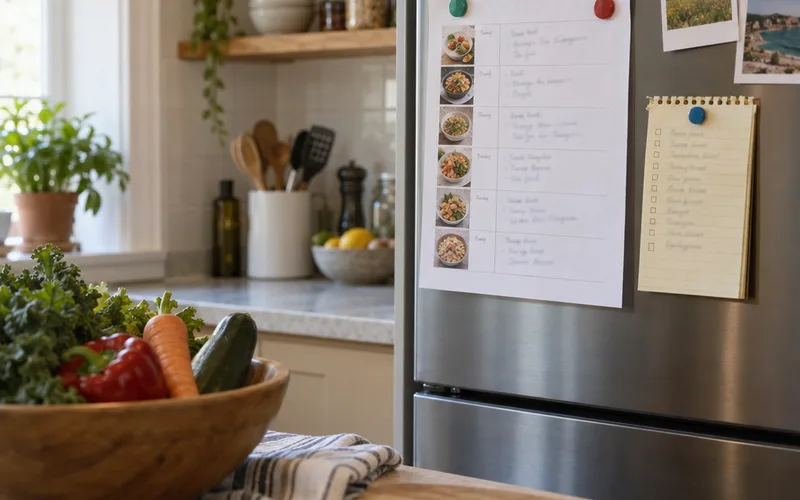
That way your menu follows the prices instead of fighting them, and the plan doesn’t need to be fancy. The meal planning guides include simple weekly and monthly plans, such as a 7-day family meal plan built for a budget.
3. Write a list with quantities
A list keeps you from wandering the aisles and grabbing things because they look good. The EPA suggests going a step further and noting quantities on your list, including how many meals each item will cover.
So instead of “salad greens,” you’d write “salad greens, enough for two lunches.” That small detail stops overbuying, which is where a lot of food waste starts, and a frugal grocery shopping list gives you a ready-made base to copy.
4. Set a weekly limit and shop less often
Every extra trip is another chance to pick up things you didn’t plan to buy. Aim for one main shop a week, plus a quick stop for milk or bread only if you truly run out.
Then give that weekly shop a firm limit. Some people bring that amount in cash, while others use a cashless envelope in a budgeting app, so the money is still capped without paper bills.
5. Don’t shop hungry or rushed
It sounds obvious, but an empty stomach makes almost everything in the store look like a good idea. Eat a meal or a snack before you go, and the chips and bakery treats get much easier to walk past.
The same goes for shopping tired or in a hurry. If you can, pick a calm time of day when you’ll actually follow your list instead of grabbing whatever is fastest.
Tips for saving money in the store
Once you’re in the aisle, the goal is simple: pay less for the same food. These habits take a few trips to learn, and after that they become automatic.
6. Try a cheaper store
Where you shop can matter more than any coupon. Discount grocers such as Aldi and Lidl, and big-box stores such as Walmart, often charge less for everyday basics than traditional supermarkets.
You don’t have to switch completely. Buy staples like rice, beans, milk and canned goods at the cheapest store near you, and pick up specialty items wherever you prefer.
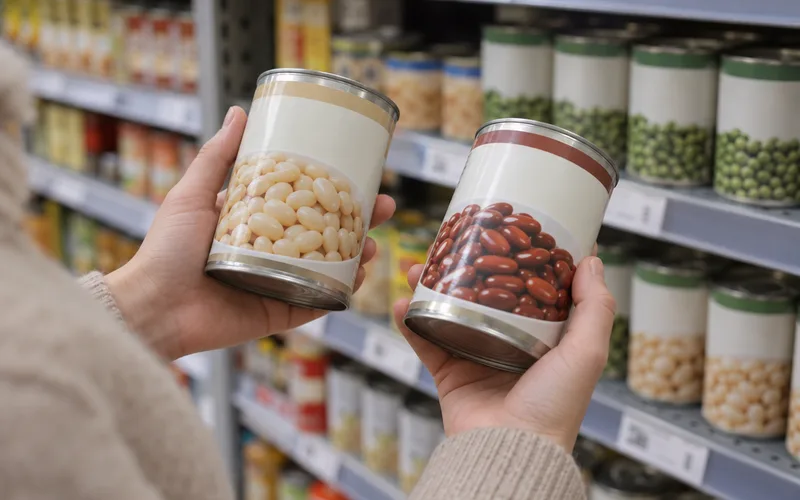
If a Walmart is your closest option, these Walmart grocery tips show how to get the most from it. The point is to stop paying full supermarket prices for food that’s the same everywhere.
7. Compare unit prices, not sticker prices
The unit price is the cost per ounce, pound or item, and most stores print it in small type on the shelf tag. It lets you compare a small box with a large one, or one brand with another, on equal terms.
Bigger is often cheaper per ounce, but not always. A sale on a smaller size, or a bulk bin priced higher than the packaged version, can flip the math, so check the tag before you assume.
8. Switch to store brands
A store brand, or private label, is the grocery chain’s own product line, and it usually costs less than the name brand on the shelf beside it. Many staples, like flour, sugar, canned beans, frozen vegetables and spices, are simple foods where the label rarely changes what’s inside.
Try one store-brand swap each trip. If your household can’t tell the difference, keep it, and if one product truly disappoints, go back to the name brand for that item only.
9. Buy in bulk only what you’ll finish
Bulk buying can save money on foods you use steadily and that keep well, like rice, oats, dried beans, coffee and frozen chicken. But the EPA points out that buy one, get one deals only save money if you use all the food before it spoils.
Before you buy a big pack, ask where it will go and when you’ll eat it. A warehouse club can pay off for some households, so check whether Costco is worth it for a small household before you pay a membership fee.
10. Rethink your protein
Protein is usually the priciest part of a grocery cart, and beef has climbed faster than most. That’s why many households are leaning more on chicken, eggs, canned fish and beans.
Dried beans and lentils are some of the cheapest proteins you can buy, and they keep for a long time in the pantry.
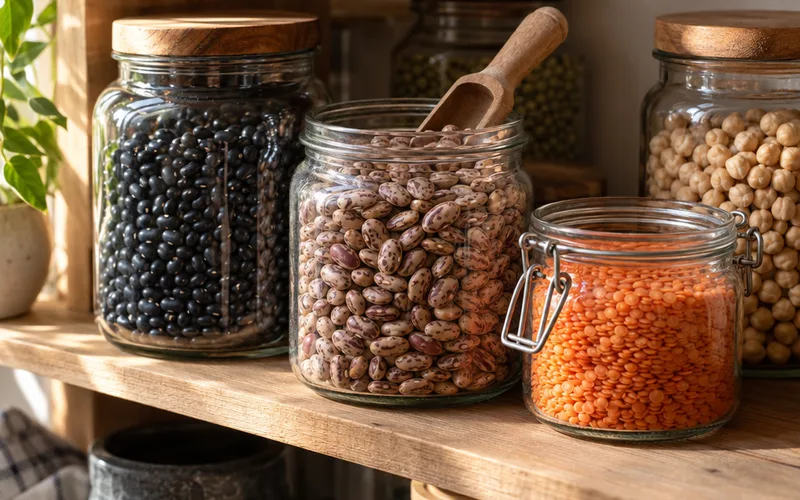
You don’t have to give up meat, either. Use half the usual amount in chili, tacos or pasta sauce, add beans, and one pound stretches across more meals.
11. Buy produce in season, frozen or imperfect
Fresh fruits and vegetables usually cost less in season, when there’s plenty of them. Out of season, frozen produce is a good stand-in, because it’s often cheaper per serving and lasts for months in the freezer.
Odd-looking produce is another way to save. According to the EPA, imperfect produce is just as safe and nutritious as the perfect-looking kind, and it can sometimes be found at discounted prices.
12. Use rewards programs and coupons on your list only
Most large chains have a free rewards program that gives members lower prices or digital coupons. Signing up takes a few minutes, and the offers are often aimed at things you already buy.
The catch is that a coupon only helps when it matches your list. Learning couponing for beginners keeps it focused, and these grocery savings apps help you find deals and keep the list in one place.
13. Look for markdowns
Many stores mark down bakery items, meat and ready-to-eat food that’s close to its sell-by date. Ask staff when markdowns usually happen, then plan to cook or freeze that food the same day.
Some apps list those discounted items from nearby stores, so you can see the deals before you leave home. The Flashfood app review looks at how one of them works and what to watch for.
14. Order online for pickup
Ordering groceries online and picking them up can cut impulse buys, because you never walk past the end-of-aisle displays. You also see a running total as you fill the cart, which makes it easier to stay under your weekly limit.
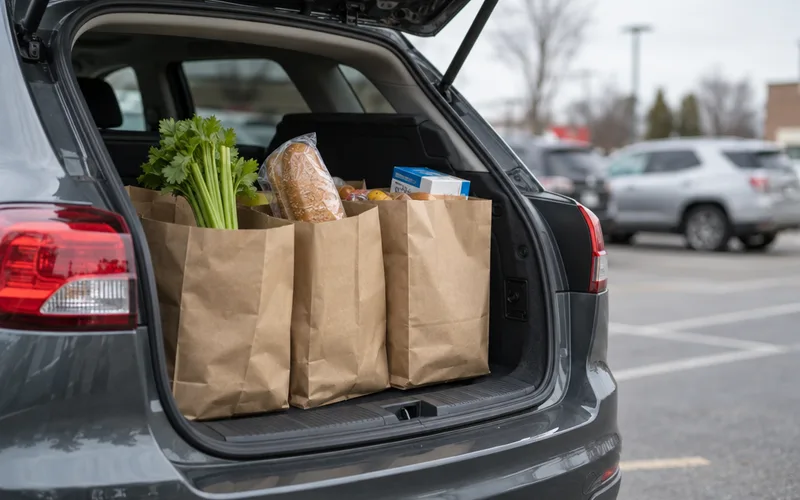
Check the terms before you rely on it, though. Some stores charge a pickup or delivery fee or set a minimum order, and a substituted item can cost more than the one you chose.
Kitchen tips: cook, store and waste less
Food only saves you money if it gets eaten. By the EPA’s estimate, throwing away less food could save a family of four up to $56 a week, which makes the kitchen a real source of savings.
15. Keep a few cheap base meals
Every household needs a short list of reliable, low-cost dinners. Soups, beans and rice, pasta with vegetables, egg dishes and sheet-pan chicken thighs all fit, and most of them use pantry staples.
A slow cooker helps here too, since tougher, cheaper cuts of meat turn tender after a few hours. These cheap crockpot meals start in the morning and are ready when you get home.
The budget recipes section has ideas for families, couples and students, from cheap family meals to soups made from pantry staples. Pick five you like, and you’ll always have a cheap answer to “what’s for dinner?”
16. Cook once and eat twice
Cooking a double batch takes little extra time, and the second half becomes lunch or another dinner later in the week. It also helps you use up the rest of an ingredient instead of leaving half a bag of spinach to wilt in the fridge.

The freezer makes this habit even more useful.
The best freezer meals guides cover make-ahead dinners and breakfasts, and freezer meals for one help if you live alone. If workday lunches are your weak spot, a few batch-cooked lunch ideas cover the whole week in one session.
17. Store food so it lasts
Good storage gives you more days to eat what you bought. The EPA recommends keeping your fridge at 40 °F or below and putting leafy greens, carrots and broccoli in the high-humidity drawer.
Your freezer does the rest of the work. Bread, sliced fruit, meat and leftovers you won’t eat in time can all be frozen, and writing the date on each container tells you what to use first.
18. Make a few staples yourself
Salad dressing, marinades, pasta sauce and seasoning blends cost far less when you make them from ingredients you already keep. A basic vinaigrette is just oil, vinegar or lemon juice, salt and a few herbs.

Don’t try to make everything at once. Start with one staple you buy often, make a batch on the weekend and see whether it fits your routine.
19. Pack lunches and snacks
A bought lunch on workdays can easily cost more than a whole dinner made at home. Packing leftovers, a sandwich or a simple grain bowl moves that money back into your grocery budget.
Snacks matter too, since keeping fruit, nuts or crackers in your bag stops the “I’m hungry and it’s right there” purchases. And if the routine gets boring, these cheap lunch ideas for work and lunches for students add variety.
Bigger moves that can pay off
These last ideas take more effort or a little money upfront. They’re worth trying once the basic habits feel easy.
20. Grow a few easy foods
A few pots of herbs, lettuce or cherry tomatoes on a sunny step can trim what you spend on produce. Herbs are often the best value, since a small store bunch is pricey for what you get and a healthy plant keeps producing for weeks.
Be realistic about the catch, though. Soil, containers and water cost money, so start a container garden small and grow only what you’ll eat.
Gardening saves money only when it fits your space, time and climate, and a few ways to keep gardening costs low help tip the math your way.
21. Split a farm share
Community supported agriculture, usually called a CSA, lets you pay a local farm upfront for a season of produce. The food is often very fresh, so it tends to last longer in your fridge than vegetables that have traveled a long way.
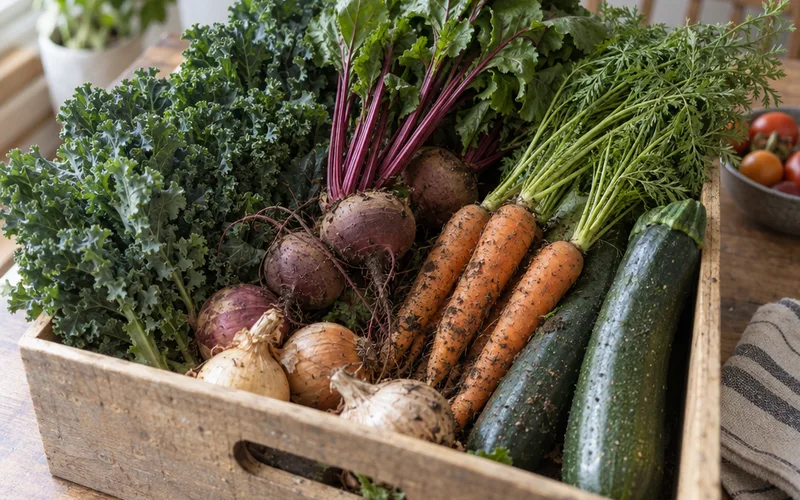
A full share can be more than one household uses, though, and unused vegetables are wasted money. Splitting a share with a neighbor or friend keeps both the cost and the amount manageable.
Grocery tips for your situation
Some households need advice shaped around their life, not an average family. These guides go deeper on the most common situations:
- Cooking for one: a cheap weekly meal plan for one helps you buy small amounts without wasting half of every package.
- Older adults: these grocery tips for seniors cover smaller portions, fixed incomes and senior discount days.
- Eating well on less: you can save money and eat healthy by leaning on beans, eggs, oats and frozen produce.
- Very tight weeks: when there’s no money for food until payday, pantry meals, food banks and assistance programs can carry you through the gap.
- Big cuts: a plan to cut your grocery bill sharply shows how far the savings can go and what you give up to get there.
Whichever fits you, the same three habits from the start of this page still do most of the work. Plan first, shop with a list, and eat what you buy.
Frequently Asked Questions
What is the 5-4-3-2-1 rule for groceries?
It’s a simple shopping formula shared online: five vegetables, four fruits, three proteins, two sauces or spreads and one grain or bread. It gives you a balanced, limited cart, so treat it as a starting template and adjust it for your household.
What is the 3-3-3 rule for groceries?
Versions vary, but a common one is buying three proteins, three vegetables and three carbs, then mixing them into different meals through the week. It keeps your list short and makes it easy to turn leftovers into something new.
Is $200 a week a lot for groceries?
It depends on how many people you feed and where you live. For many single adults it leaves room to spare, while a larger family may find it tight, so compare it with your own receipts from last month.
How can I spend $100 a week on groceries?
Plan every meal around sale proteins and cheap staples like rice, beans, eggs, oats and frozen vegetables, then shop once with a list and a firm limit. Cook in batches so leftovers cover lunches, and cut snacks and drinks first, since they add up quickly.
What are five ways to save money on groceries?
Plan meals around what you have and the weekly sales, shop with a list, compare unit prices, switch to store brands and eat your leftovers before they spoil. Together, those five cover planning, buying and waste, which is where most savings come from.
How much should I budget for groceries per month?
Start with what you spent last month, including takeout, then set a target slightly lower and adjust it after a few weeks. Household size, location and diet change the right number a lot, so compare it with examples built for a household like yours.
Can you live on $200 a month for food?
For one person it’s possible, but it takes careful planning and mostly home cooking with cheap staples like beans, rice, oats and eggs. If money is that tight, local food banks and SNAP benefits can help fill the gap.
What is the 30-day rule to save money?
It means waiting 30 days before you buy something you don’t need, to see whether you still want it. For groceries, a shorter version works well: if an item isn’t on your list, add it to next week’s list instead.