

Frugal living has a reputation for being a life of saying no to everything. In practice, it’s closer to the opposite: you say no to the spending you don’t care about, so you can say yes to the things you do.
The frugal living tips below are grouped by where your money actually goes, from food and household costs to bills, shopping, fun and saving. Each one comes with how to do it and the catch, because a tip that doesn’t fit your life won’t save you anything.
What frugal living really means
Frugality is about value, not the lowest price. A frugal person asks whether something is worth its cost over time, while a cheap person only asks what costs the least today.
That difference shows up quickly in real choices. The cheapest boots might need replacing every winter, while a sturdier pair can be resoled and kept for years.
That long view is usually where the line between frugal and cheap sits. So frugal living isn’t about going without, but about cutting the leaks between your paycheck and the things that matter to you.
How to start if you’re new to frugal living
If you’re wondering how to be frugal with money for the first time, the order you tackle things matters more than the number of tips you try. Small habits feel good, but the biggest savings usually sit in a few large recurring bills.
Here’s a simple starting path:
- Track one month of spending. Write down every purchase, or download your bank and card statements, so you’re working from real numbers instead of guesses.
- Look at your largest costs first. For many households that means housing, transportation and food, so check those before you worry about the price of a coffee.
- Pick two or three habits. Choose tips from the list below that fit your week, then add more once those feel automatic.
A written plan turns this into something you can repeat every month. The Budgeting guides walk through building one, step by step.
Mindset tips that make every other tip easier
Most frugal habits fail for the same reason many diets do: they feel like rules someone else made. These first tips are about making each choice feel like your own.
1. Decide what you’re saving for
A goal gives every “no” a reason. “Pay off the credit card by June” or “take the kids camping this summer” is much easier to stick with than “spend less.”

Write the goal somewhere you’ll see it often, like your phone’s lock screen. When a purchase tempts you, you’re now weighing it against something you want more.
2. Wait before you buy anything you didn’t plan
A waiting period is one of the simplest ways to cut impulse spending. Put the item on a list, then wait a set time, such as 24 hours for small things and 30 days for big ones.
Plenty of wants fade during that pause. If you still want the item afterward, buy it without guilt, and curbing impulse buying gets easier each time you practice.
3. Watch for lifestyle creep
Lifestyle creep happens when your spending rises every time your income does. A raise turns into a bigger car payment or more takeout, and somehow your savings stay the same.
The fix is to decide where new money goes before it arrives. One simple rule is to send at least half of every raise straight to savings or debt, then enjoy the rest.
4. Stop spending to keep up
Comparison is expensive. A friend’s new kitchen or a coworker’s vacation photos can make your own perfectly good life feel shabby.
When you notice that pull, ask what you actually want from the purchase. Often it’s a feeling, like rest or belonging, that a cheaper choice can give you too.
Food tips that shrink the grocery bill
Food is an easy place to start because you make choices about it every day. Small changes here add up quickly, and none of them needs a big upfront cost.
5. Plan meals around what you already have
Before you write a grocery list, check your fridge, freezer and pantry. Build the week’s meals around what needs using first, then shop only for the gaps.
This one habit cuts both waste and extra trips to the store. If planning a full week feels like too much, start with three dinners, and the meal planning guides show how to build up from there.
6. Eat down your pantry and freezer
Many kitchens hold more food than anyone remembers buying. For a week or two, skip the big shop and cook from what’s on hand, buying only fresh basics like milk and produce.

You’ll rediscover forgotten ingredients and learn what you tend to overbuy. That lesson makes your next shopping list smarter, and a structured pantry challenge can make the process feel like a game.
7. Turn leftovers into planned meals
Leftovers often get thrown out because nobody planned to eat them. Cook once, then plan the second meal on purpose, so Sunday’s roast chicken becomes Tuesday’s soup or wraps.
Label containers with the date so you know what to eat first. Food you throw away is money you already spent, so eating it gives you one of the cheapest meals of the week.
8. Pack food for work and errands
Lunch out on workdays and a drive-through stop during errands can quietly become a big expense. Packing lunch and keeping a few snacks in your bag or car removes the “I’m hungry and it’s right there” moment.

It doesn’t have to be fancy, since leftovers or a sandwich and some fruit cover most days. The Groceries category has many more ways to cut what you spend on food.
Home and household tips
Your home is full of small, repeated costs, like cleaning supplies, repairs, energy and the steady urge to buy more stuff. Getting these under control saves money every month without changing how you live.
9. Use what you own before buying more
Before you buy something new, check whether something you already own can do the job. Many homes have duplicate tools, half-used products and clothes that still have tags on.
Decluttering shows you what you have, and owning less means less to store, clean and replace. If that idea appeals to you, becoming a minimalist takes it a step further.
10. Make simple cleaners at home
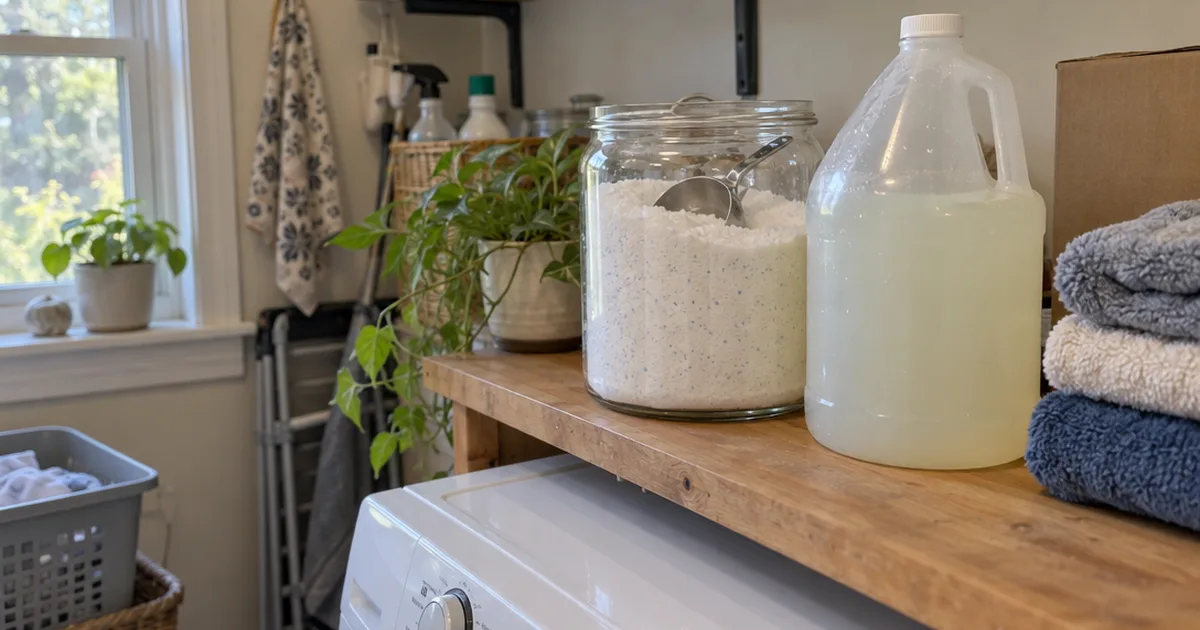
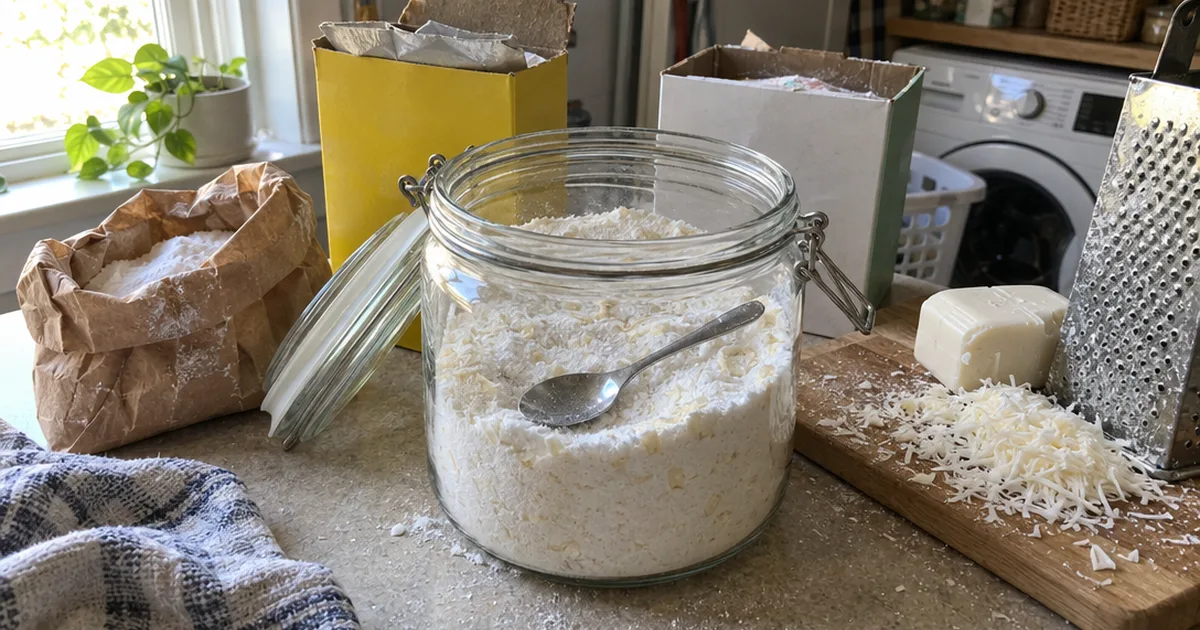
A few basics, such as white vinegar, baking soda and dish soap, can handle many everyday cleaning jobs. You’ll buy fewer single-purpose sprays and keep less clutter under the sink, and you can even mix your own laundry detergent powder.
Safety still comes first, because some chemicals, like bleach, should never be mixed with other cleaners. The homemade cleaners guides explain which recipes work and when a store-bought product is the safer choice.
11. Repair before you replace
A loose cabinet hinge, a torn seam or a wobbly chair leg is often a quick fix. A small screwdriver set, a sewing kit and a bottle of wood glue can save you from replacing things that still have years of use left.
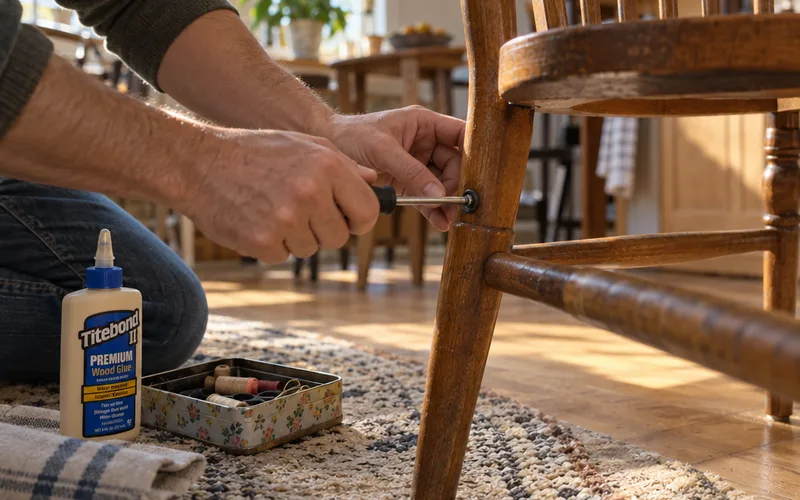
For bigger jobs, look for free video tutorials or a local repair café, where volunteers help people fix their own things. The catch is time, so start with repairs that take less than an hour.
12. Cut wasted energy
Some electronics keep drawing a little power even when they’re switched off. Plugging your TV, game console and chargers into one power strip lets you turn them all off with a single switch.
When an appliance does need replacing, compare models that carry the ENERGY STAR label for efficiency. For heating, cooling and other big energy users, the electric bill guides go into more detail.
13. Decorate with what you have
A room can feel new without new furniture. Rearranging pieces, moving art between rooms and adding plants or textiles you already own can change a space more than a shopping trip.
When you do buy, secondhand frames, lamps and side tables usually cost far less than new ones. The budget decorating guides share room-by-room ideas for apartments, living rooms and bedrooms.
Tips for bills and recurring costs
Recurring bills are where frugal effort pays off most, because one change keeps saving you money every month. A single phone call can be worth more than weeks of clipping coupons.
14. Audit your subscriptions
Streaming services, apps, memberships and delivery boxes are easy to sign up for and easy to forget. Go through your bank and card statements and list every recurring charge.
Cancel anything you haven’t used in the past month, or rotate streaming services so you only pay for one at a time. The Bills category walks through cutting subscriptions, utilities, phone and internet costs.
15. Shop around before every renewal
Insurance, phone and internet providers often save their best prices for new customers. Set a calendar reminder a few weeks before each renewal date, then get two or three quotes.
Even if you don’t switch, a competing quote gives you something to mention when you call your current provider. Ask about promotions, loyalty discounts or a cheaper plan, and if the answer is no, you can always ask again next year.
Shopping tips
The cheapest purchase is the one you don’t make. But when you do need something, how you buy it makes a real difference to the price.
16. Check secondhand first
Thrift stores, consignment shops, yard sales and online marketplaces sell clothes, furniture, books and kitchenware for much less than retail. Make it a habit to look secondhand before you buy anything new.

It takes more patience, since the exact item you want won’t always be there. A few thrifting tips help you spot quality pieces and avoid the bargains that aren’t really bargains.
17. Borrow, swap and get things free
Your public library lends more than books. Depending on your branch, that can include e-books, movies and even museum passes or tools, so ask before you buy something you’ll only use once.
Neighbors can help too. Groups organized through the Buy Nothing Project let people give away and ask for items for free, and a clothing swap with friends works the same way.
18. Do the real math on sales
A sale only saves money if you would have bought the item anyway. Before you grab a deal, ask whether you need the item now and whether the discount is as good as it looks.
Multi-buy deals are a common trap. “Buy one, get one 50% off” works out to 25% off each item when you buy two, so a simple 30% discount is the better deal and doesn’t make you buy a second one.
19. Shop with a list, on a set day
Every extra trip to the store is another chance to grab something you didn’t plan to buy. Keep a running list through the week and shop once, whether in person or online.
Stick to the list unless something is a true need. If you want to go further, the Smart Shopping guides cover cash back apps, coupons and warehouse clubs.
Fun, gifts and celebrations
Frugal living shouldn’t mean giving up fun. It means choosing kinds of fun that cost little, and planning big events so they don’t sink your budget.
20. Find free and cheap fun
Parks, free museum days, library events, community festivals and game nights at home all count as things to do with no money. Keep a list of free options in your area, so you have ideas ready on a slow weekend.

Walking, gardening, drawing and learning a language with a free app are all cheap hobbies that can fill an evening. Date nights work the same way, and plenty of cheap date ideas cost little or nothing.
21. Scale big events to your budget
Weddings, birthdays and holidays can undo months of careful saving in one go. Set a total budget first, then decide where it goes, rather than adding up costs as you plan.
The guest list often drives the biggest costs, so a smaller gathering can free up money for the parts you care about most. The budget weddings guides look at venues, food and decorations for couples who want a lovely day without the debt.
22. Give gifts that cost less and mean more
A thoughtful gift doesn’t need a big price tag. Homemade treats, a framed photo or an offer of your time, like an evening of babysitting, can mean more than something bought in a rush.
For family gatherings, suggest a gift exchange where everyone buys for just one person. It cuts costs for everyone and takes some pressure off the holidays.
Saving tips that help money stretch further
Spending less only helps if the money you free up goes somewhere useful. These tips make sure it does.
23. Pay yourself first
Set up an automatic transfer to savings on payday, before you have a chance to spend it. Even a small amount builds the habit, and you can raise it toward a fixed share like 20% whenever a bill drops or your income grows.
That money becomes your emergency fund first, so a car repair doesn’t end up on a credit card. The Saving category covers emergency funds, savings goals and savings challenges.
24. Build sinking funds for bills you can see coming
Car registration, holiday gifts, annual memberships and school costs aren’t emergencies. They’re predictable, they just don’t arrive every month.
A sinking fund means you divide a yearly cost by 12 and save that amount each month. If your car insurance costs $600 a year, for example, setting aside $50 a month covers it.

Start with the two or three bills that catch you off guard most often. Once you see how sinking funds work, adding more categories gets easy.
25. Try a no-spend challenge
A no-spend challenge means you only pay for essentials, such as rent, bills, groceries and gas, for a set period. Start with a weekend or a week, then work up to a full no-spend month if it suits you.
The real value is what you learn. You’ll see which purchases were habits rather than needs, which makes the rest of your budget easier to trim.
Extreme and old-fashioned frugal tips
Some people go much further, and their habits can be useful even if you only borrow one or two. Extremely frugal ways to save money include living without a car, line-drying every load of laundry, growing much of your own food and cancelling nearly every subscription.
Many of these habits echo lessons from the Great Depression, when families mended clothes and reused almost everything. Be honest about the trade-offs before going all in, because extreme frugal living takes a lot of time and can strain a household that isn’t on board.
If you want a lighter version, a few unusual frugal tips can be easier to start with. Pick the one that fits your life, try it for a month, and keep it only if it still feels worth the effort.
Frugal living on a low income
When money is tight, frugal living tips can sound like advice for people who have extra to cut. But a few habits help most on a small budget, because they protect you from bigger costs later.
Cover the essentials first: housing, food, utilities and transportation. Then build a small cushion, even a few dollars a week, so one surprise bill doesn’t turn into high-interest debt.

If you’re at the point of having no money at all, local assistance programs, food pantries and utility payment plans may help bridge the gap. Households living on one income can use the same steps, starting with the biggest fixed bills.
The same thinking applies on a fixed income in retirement. Frugal living at 60 can start with a review of housing and transportation costs before smaller daily habits.
Where to go from here
You don’t need all 25 tips at once, and trying everything in the same week usually ends with keeping none of them. Pick one tip for bills, one for food and one mindset habit, then give them a month before you add more.
When those feel normal, come back and choose the next three. Small changes that stick will do more for your budget than a burst of effort that fades.
Frequently Asked Questions
What are the benefits of frugal living?
Frugal living frees up money for goals you care about, such as paying off debt, building savings or working fewer hours. It can also lower stress, because you’re less likely to be caught off guard by a big bill.
How can I make my money stretch further?
Start with your largest recurring costs, like rent, car payments, insurance and food, since small trims there save money every month. Then add everyday habits like meal planning, buying secondhand and waiting before purchases.
How do I avoid lifestyle creep?
Decide where new income goes before it reaches your account. Send a set share of every raise to savings or debt, and upgrade your lifestyle only on purpose, not by default.
What are some extremely frugal ways to save money?
Extreme savers may go car-free, grow food, cook every meal at home, line-dry laundry and cancel almost every subscription. These habits save a lot but take time, so try one at a time.
How can I be financially stable on a low income?
Cover your essentials first, then build a small emergency fund, even a few dollars a week. Track where your money goes, avoid high-interest debt and look into local assistance programs you may qualify for.