


Your bills probably didn’t jump all at once. More often, a rate creeps up after a promotion ends, a subscription renews quietly and the thermostat drifts a few degrees each season.
The good news is that recurring costs reward one-time effort. This list starts with the biggest bills, then covers subscriptions, insurance, medical costs and the help available if you’re already behind.
Before you start: a 20-minute bill checkup
You can’t lower what you haven’t looked at, so start by listing every bill that repeats. Use your last few bank and card statements to note each provider, the amount, the due date and when any promotion ends.
Next, sort that list from largest to smallest. Saving $15 on a $200 bill beats cancelling a $3 app, so work from the top down.
Energy and utility bills
Energy bills swing with the seasons, which makes them confusing. They’re also where small habits and one call to your utility can both pay off.
1. Stop paying for power you don’t use
Many TVs, game consoles, chargers and cable boxes keep drawing a little power while they’re off. These “energy vampires” are easy to tame with a smart power strip, which cuts power to the devices you aren’t using.
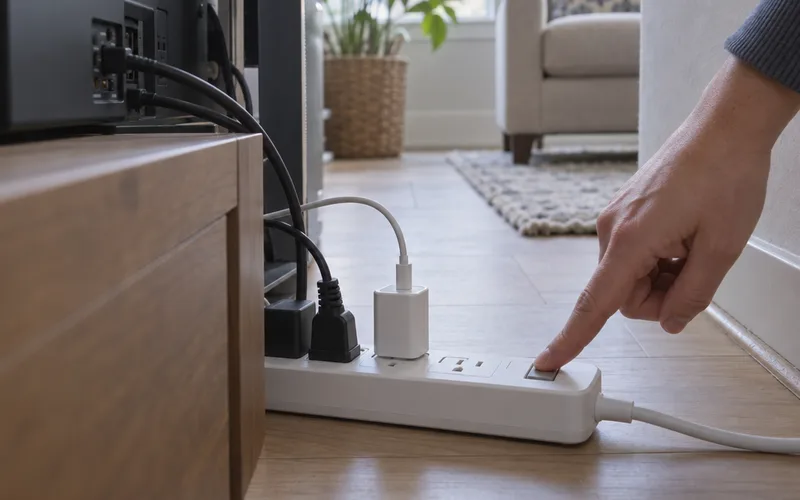
LED bulbs are another easy fix, since they use far less power than old incandescent ones. When an appliance wears out, look for the ENERGY STAR label, a program run by the U.S. Environmental Protection Agency.
2. Adjust the thermostat and seal the leaks
Heating and cooling are among the biggest energy users in most homes. Setting the thermostat a few degrees warmer in summer and cooler in winter, mainly while you sleep or are out, means your system runs less.
Air leaks undo that effort, so add weatherstripping around drafty doors and windows and keep your HVAC filter clean. The electric bill guides go deeper for apartments, summer heat and electric heat.
3. Ask your utility about rate plans
Some utilities offer time-of-use plans, which charge less during off-peak hours, usually late at night. If you can run the dishwasher and washer then, you may save, but heavy afternoon use can make this plan cost more.
In an energy choice state, you can also buy power from a separate supplier while your utility still delivers it. A fixed rate protects you from monthly price swings, so check the contract length and any cancellation fee before you sign.
4. Check your gas and water bills too
Gas and water bills follow the same pattern, with winter heating and summer watering causing most spikes. A lower gas bill often starts with a water heater set no hotter than you need.
For water, a running toilet or a dripping faucet wastes water around the clock. Fixing leaks is the first of many ways to lower your water bill.
If a bill still looks wrong, learn about disputing a high water bill before you pay it.
Be wary of gadgets that promise to slash your bill with one plug-in trick. Find out whether energy-saving devices really work before you buy one.
Phone, internet and TV
Providers often save their lowest prices for new customers. So the people who never call tend to pay the most.
5. Call with a competitor’s price in hand
Before you call, look up what other providers in your area charge for similar service. Then ask for the retention or loyalty department, since those agents can usually offer discounts that regular support can’t.

Keep the request simple: “I’ve always paid on time, but I found a lower price elsewhere. What can you do to keep me?”
If they say no, ask again in a month. Comparing plans first is also the quickest route to a lower internet bill if you decide to switch.
6. Pay only for the phone data you use
Your phone shows how much data you use each month. If you never come close to your limit, a smaller plan or a prepaid carrier may cost much less.
Family plans can also lower the price per line. Carrier tips, such as how to lower a Verizon bill, can turn up discounts that aren’t always advertised.
7. Rethink cable TV
Cable packages bundle many channels you may never watch. Streaming services and an antenna for local channels can replace much of it, often for less.
The cord cutting guides compare these options. If you’d rather keep cable, you can still lower your cable bill by dropping premium channels or returning extra boxes.
Subscriptions and memberships
Subscriptions are the bills you forget you’re paying. One streaming service doesn’t feel expensive, but several of them, plus apps and memberships, add up fast.
8. Audit every recurring charge
Go through your statements and mark each charge as keep, pause or cancel. For streaming, try rotating: keep one or two services for a few months, then swap.
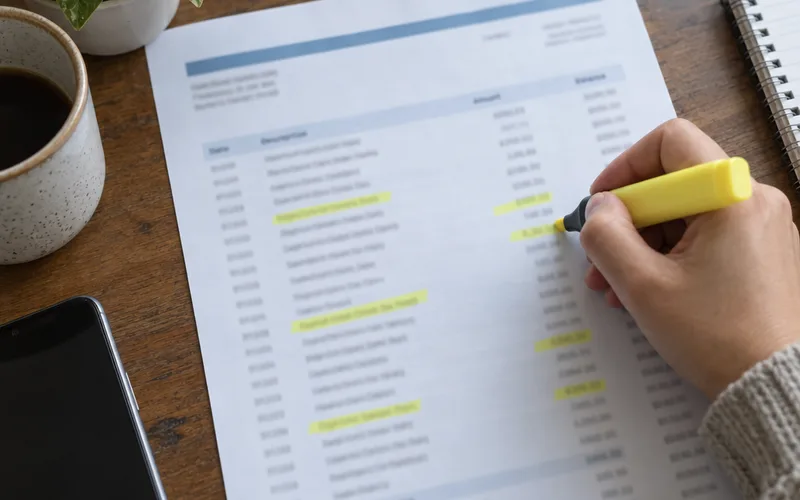
Some charges hide inside app stores, so learn how to cancel subscriptions on Google Play and in your phone’s settings. If you’d rather not make the calls yourself, compare free bill negotiation services and check what share of the savings they keep.
Insurance and car costs
Insurance and car costs are easy to set and forget. A yearly review can catch rate increases before they pile up.
9. Shop your insurance before every renewal
Get quotes from two or three insurers a few weeks before your car, home or renters policy renews. Bundling policies with one company can earn a discount, but compare that price with buying each policy separately.
A higher deductible also lowers your premium. Only choose one you could pay from savings if you had to file a claim.
10. Keep car costs predictable
Skipping routine car care can lead to bigger repair bills later. Knowing the average car maintenance cost helps you set money aside each month instead.
Fuel and parking add up as well. Combining errands and comparing repair quotes are easy ways to save on car expenses.
Medical bills
Medical bills are hard to predict, but they’re often more open to negotiation than people expect.
11. Question medical bills before you pay
Ask for an itemized bill and compare it with your insurer’s explanation of benefits. Look for duplicate charges or services you didn’t receive, and call the billing office about anything unclear.
Many hospitals offer discounts, payment plans or financial help, but you usually have to ask. You can learn how to negotiate lower medical bills, and the medical bill assistance guides cover dental and drug costs too.
Bill timing and payments
Late fees and overdraft charges are bills you can avoid, and the fix is mostly about timing.
12. Line up due dates with your paydays
Many providers let you change your due date, so move some bills to just after each payday and no single paycheck carries everything.

Use autopay only for amounts that stay steady. A written plan from the Budgeting guides makes this easier to keep up.
Help when you can’t pay a bill
Call your provider before you miss a payment, not after. Many utilities offer payment plans or budget billing, which spreads costs evenly across the year.
Government programs can help too. LIHEAP, the Low Income Home Energy Assistance Program, is a federal program that helps low-income households pay for home energy.
For phone and internet, Lifeline is a federal program that lowers the monthly cost of service. People who qualify can get a standard discount of up to $9.25 a month.
Other programs fill other gaps, such as the Low Income Household Water Assistance Program and churches that help with phone bills.
Keep the savings going
Repeat your bill checkup every few months, since promotions end and prices change. Then give the money you save a job, such as an emergency fund or extra debt payments.
The Saving guides show where to start. For everyday costs beyond your bills, the Frugal Living tips pick up where this list ends.
Frequently Asked Questions
How can I lower my electricity bill?
Start with the thermostat, since heating and cooling are among the biggest energy users in most homes. Then cut standby power with smart power strips, switch to LED bulbs and ask your utility about rate plans.
What is the 50/30/20 rule?
It’s a simple budget guide: 50% of your take-home pay goes to needs, 30% to wants and 20% to savings and debt. Lowering your bills shrinks the needs share, leaving more for the rest.
How do you break up your bills?
Split them by paycheck, so each payday covers the bills due before the next one. If one paycheck carries too much, ask providers to move your due dates.
How can I avoid huge medical bills?
Check that a provider is in your insurance network before you get care, and ask for a cost estimate for planned care. Afterward, request an itemized bill, check it for errors and ask about financial help or a payment plan.