
New York’s financial regulator is investigating rent-to-own home deals as possible predatory lending.
That tells you how lopsided these contracts can get, even when the house looks like a great opportunity.
Below, I’ll show you why rent to own is bad for most buyers, one risk at a time, plus the rare cases where it can work.
You’ll also get a checklist and an exact script to use before you sign anything.
What Is a Rent-to-Own Home Deal?
A rent-to-own home deal is a lease that lets you buy the house later, or requires you to, at a price set in the contract. You usually pay an upfront option fee plus a monthly premium that may be credited toward the purchase.
Here’s how it usually works:
- You sign a lease, often for 1 to 3 years.
- You pay an option fee up front for the right to buy later.
- Part of each month’s payment may count as a “rent credit” toward the price.
- At the end, you get a mortgage and buy the house, or you walk away.
That sounds like a bridge between renting and buying.
But the key detail is who holds the deed. Community Legal Services of Philadelphia, a legal aid nonprofit, says a rent-to-own buyer doesn’t get a deed until the final payment is made.
So until closing day, the house legally belongs to someone else.
Lease-Option vs. Lease-Purchase
A lease-option agreement gives you the right to buy at the end of the lease, but not the duty. A lease-purchase agreement obligates you to buy, so backing out means breaking a contract.
Both versions carry the same core risks.
The difference is how trapped you are at the end. With a lease-option, you can walk away and lose what you paid, while a lease-purchase can leave you in breach if you can’t close.
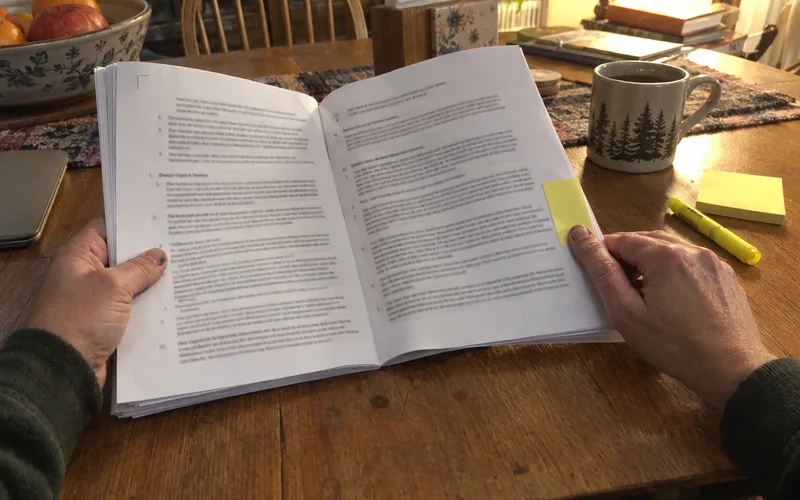
In other words, read the first page of the contract and find out which one you’re being offered.
Why Rent to Own Is Bad for Most Buyers
Rent-to-own is bad for most buyers because you take on the costs and duties of owning a home without the legal protections an owner gets. You pay more than a renter and often fix the house yourself, yet you hold no deed and no title insurance.
Here’s the deal:
A traditional buyer and a rent-to-own buyer might both make monthly payments for years.
But only one of them is protected by decades of mortgage law. The other is protected by whatever the contract says, and the seller usually wrote it.
The rest of this guide breaks that gap into 8 specific risks, starting with the biggest one.
Risk #1: You Don’t Own the House Until the Final Payment
A rent-to-own buyer doesn’t own the house until the final payment, so every month before that, the seller’s problems can become your problems. That includes the seller’s debts, unpaid taxes, death or decision to sell to someone else.
Think about what “not owning” means in practice.
Community Legal Services of Philadelphia says the seller can still put new mortgages against the house without the buyer’s knowledge or consent. So you could spend 3 years paying toward a house that the seller borrows against behind your back.
And if your contract isn’t recorded with the county, lenders and future buyers may never know your deal exists.
Why Title Insurance Matters Here
Title insurance protects a buyer if someone else turns out to have a claim on the property, such as an old lien or an heir. Community Legal Services of Philadelphia says buyers in rent-to-own contracts cannot purchase title insurance.
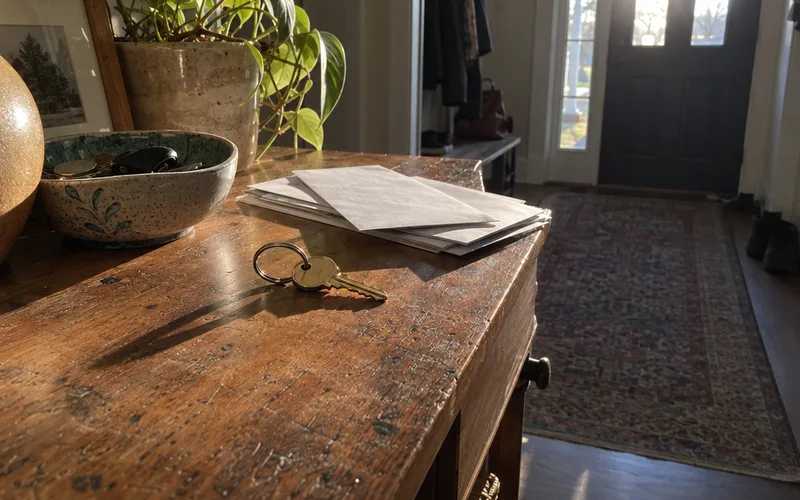
That leaves you with no backstop if a debt or ownership claim shows up halfway through your lease.
Pro Tip: Before you pay an option fee, pay for a title search yourself through a local title company or real estate attorney. It costs far less than losing a house you’ve been paying toward.
Risk #2: You Pay Extra Money You Can Lose
Rent-to-own buyers pay an option fee and usually a monthly premium on top of rent, and both are typically nonrefundable if the purchase doesn’t happen. You lose that money whether you change your mind, fail to get a mortgage or break the lease.
Here’s an example with made-up numbers, just to show the math:
Say the option fee is $5,000 and your contract credits $200 a month toward the price.
After 3 years, you’d have $7,200 in rent credits plus the $5,000 fee, so $12,200 is riding on the deal.
Now say you can’t get a mortgage when the lease ends.
In most contracts, that $12,200 stays with the seller, and you leave with nothing but the rent receipts. That’s the core reason rent-to-own is a bad bet: the money only counts if everything goes right.
Note: Some contracts don’t credit the full premium. Find the line that says exactly how much of each payment counts toward the price, and get it in writing.
Risk #3: You Pay for Repairs on a House You Don’t Own
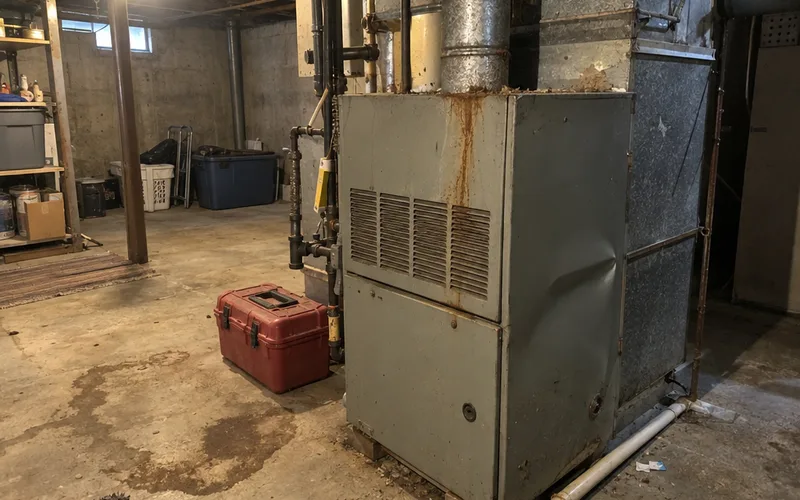
Rent-to-own buyers usually pay for repairs, because most contracts shift maintenance and repair costs from the seller to the tenant-buyer. That means a broken furnace or leaking roof can land on you even though the deed is still in the seller’s name.
This is where rent-to-own gets expensive fast.
New York’s Department of Financial Services says rent-to-own companies tend to deal in severely distressed homes that have sat vacant and need substantial work. The regulator says these agreements put all of the repair cost on the consumer, where New York law would put it on the landlord.
Why does that matter?
Because a regular renter in the same house could call the landlord. You’d be paying a contractor, and if the deal falls through, every dollar of that work stays with the house.
If you do end up handling repairs, cutting home repair costs becomes part of your budget from day 1.
Risk #4: Can You Be Kicked Out of a Rent-to-Own Home?
Yes, a rent-to-own buyer who falls behind can often be removed through eviction, which is much faster than a homeowner’s foreclosure. Whether you have stronger protection depends on your state and how the contract is written.
What does that mean if you fall behind?
Foreclosure is a slower, formal process with notices and chances for an owner to catch up.
Eviction is built for renters, so it moves quickly and offers far fewer ways to save the deal.
New York is a notable exception. Under the equitable mortgage doctrine, the state’s financial regulator says a rent-to-own company cannot just evict a resident who has built equity and falls behind.
If you get an eviction notice on a rent-to-own home, talk to a lawyer before you move out. You may have more rights than the notice suggests.
Risk #5: One Late Payment Can Cancel the Whole Deal
Many rent-to-own contracts treat a single late payment, or a broken rule like a no-pets clause, as a default that cancels your option to buy. When that happens, you typically lose the option fee and every rent credit you’ve built.
A normal lease charges a late fee.
A rent-to-own contract can wipe out years of extra payments over one bad month. That’s a big risk if your income is uneven or you’re already stretched, which is often why people consider rent-to-own in the first place.
The fix is simple: find the default clause before you sign and ask for a grace period in writing.
Here’s what to send the seller:
“Before I sign, I’d like the contract to say that a late payment only cancels my option if it’s more than 10 days late and I’ve had written notice. Can we add that?”
Risk #6: Your Price Is Locked Even If Home Values Drop
Rent-to-own contracts usually lock in the purchase price when you sign, so if home values fall during the lease, you still owe the higher price. A lender will base your mortgage on the home’s appraised value, so you may need extra cash to close the gap.
Let’s use made-up numbers again.
Say you agree to buy at $250,000, and 2 years later the house appraises at $230,000.
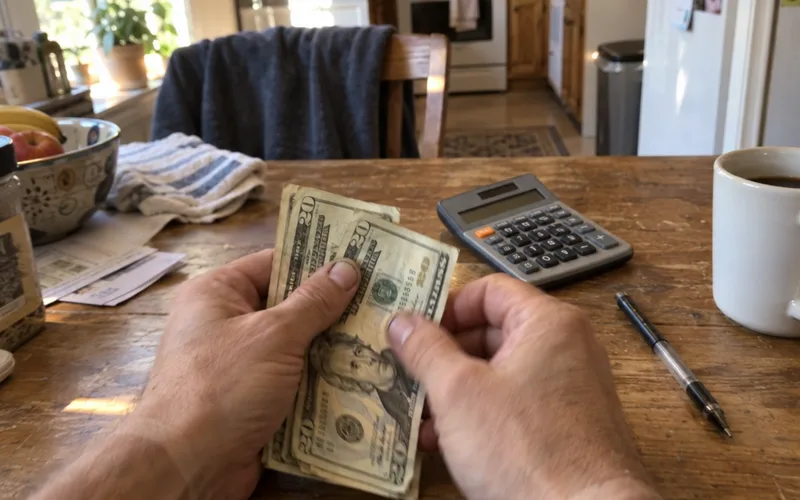
Your lender will lend based on $230,000, not $250,000. So you’d have to cover the $20,000 difference yourself, renegotiate with the seller or walk away and lose your credits.
Key Takeaway: A locked price only helps you if values go up, and you can’t control which way the market moves.
Risk #7: You May Still Not Qualify for a Mortgage
Renting to own doesn’t make a mortgage easier to get, because a lender still has to approve your credit score, income and debts when the lease ends. If you can’t qualify by then, the deal usually ends and your extra payments stay with the seller.
That’s the cruel twist.
Most people consider rent-to-own because their credit or savings aren’t ready yet. But the contract gives you a deadline to fix both, with your option fee and rent credits on the line if you miss it.
So before you sign, ask a lender what you’d need to change to qualify, and whether you can do it before the lease ends.
Then work backward from the lease end date, month by month, and see whether the plan still holds up with a surprise bill in the middle.
If debt is what’s holding you back, a plan to pay off debt faster can do more for your approval odds than a rent-to-own contract.
Risk #8: Rent-to-Own Deals Attract Scams and Predatory Sellers
Rent-to-own deals attract scams because the buyers are often people with weak credit or little savings, and the contracts have few standard protections. Common schemes include “sellers” who don’t own the home, houses in foreclosure and homes priced far above market value.
This isn’t just a theory.
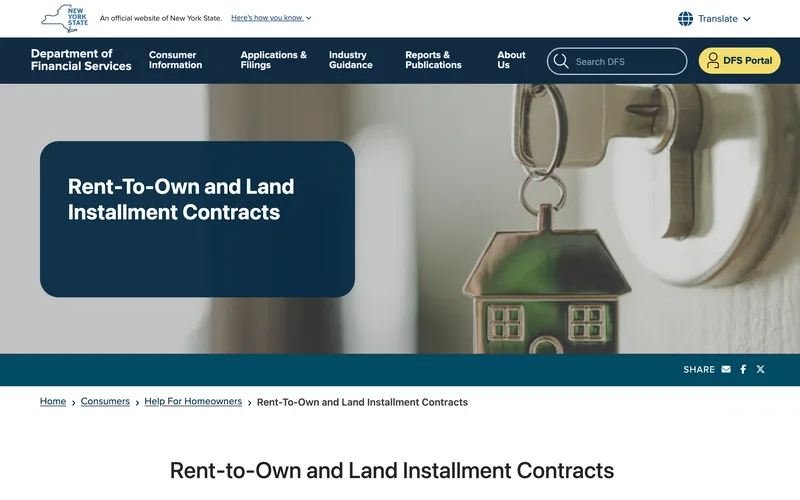
The New York State Department of Financial Services is investigating whether rent-to-own, lease-to-own and land installment contracts offered in New York amount to unlicensed, predatory mortgage lending. That’s a state regulator saying some of these deals may be illegal loans in disguise.
Watch for these red flags:
- The seller wants money before you see a written contract.
- The seller won’t let you run a title search or hire an inspector.
- The contract forbids recording or doesn’t need to be notarized.
- The price is well above what similar homes recently sold for.
- The house has been vacant a long time and needs major work.
If you spot 2 or more of these, walk away.
Mortgage vs. Rent-to-Own: The Protections You Give Up
A home buyer with a mortgage gets the deed, title insurance and foreclosure protections at closing. A rent-to-own buyer usually gets none of those until the final payment.
This table shows the difference side by side, drawing on the legal aid comparison and the New York regulator’s findings:
| Protection | Buying With a Mortgage | Rent-to-Own |
|---|---|---|
| Deed | At closing | After the final payment |
| Title insurance | Required by the lender | Can’t be purchased |
| New mortgages on the house | Need the owner’s consent | Seller can add them |
| Repairs | Owner’s choice and budget | Often pushed onto you |
| Falling behind | Foreclosure process | Often a fast eviction |
When you line it up like this, the pattern is clear.
You’d be paying owner-level money for renter-level rights, and sometimes less than a renter gets.
Is Rent-to-Own Ever a Good Idea?
Rent-to-own can be a reasonable idea when you know the seller well, such as a relative or longtime landlord, and the deal has real protections. That means a recorded contract, an independent inspection, a title search and a lawyer reviewing the terms for you.
A deal with family is the most common case where it works.
The seller isn’t trying to profit from your default, and you can talk openly about what happens if something goes wrong.
It can also make sense if you’re sure you’ll qualify for a mortgage soon, such as when a promised raise is a few months away. Even then, keep the option fee small and the lease short.
For first-time home buyers with shaky credit and no savings, though, rent-to-own usually adds risk at exactly the wrong moment. If you’d struggle to replace the option fee, you can’t afford to lose it.
What to Check Before You Sign a Rent-to-Own Contract
Before you sign a rent-to-own contract, confirm who owns the house, whether it has liens or back taxes, its condition and how your payments are credited. Then have a real estate attorney or a nonprofit housing counselor review the contract.
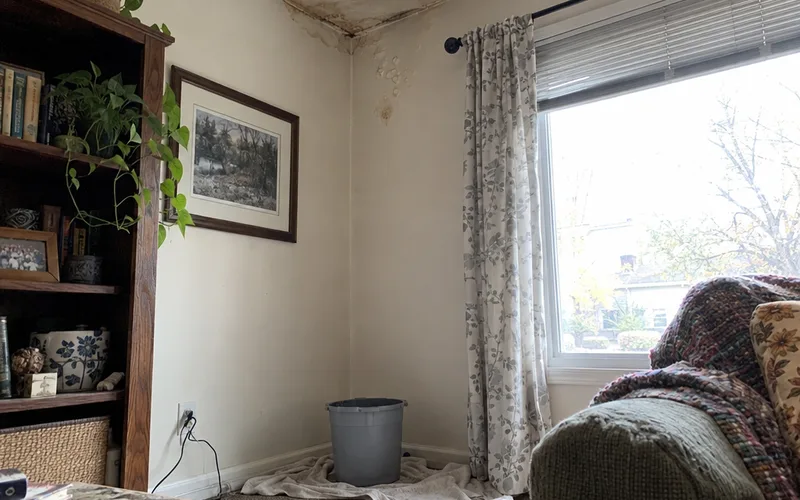
Work through this checklist first:
- Look up the owner in your county’s property records and match the name to the seller.
- Order a title search to check for mortgages, liens and unpaid property taxes.
- Hire your own home inspector, with the utilities turned on.
- Get the price, option fee, rent credit, repair duties and default terms in writing.
- Ask that the contract be notarized and recorded with the county.
Then ask the seller this:
“Before I pay an option fee, I’d like to run a title search, hire my own inspector and have an attorney review the contract. I’ll also need the agreement recorded with the county. Are you OK with that?”
A legitimate seller will say yes. If the seller pushes back on any of it, you’ve learned something important for free.
Better Alternatives to Rent-to-Own
The best alternative to rent-to-own for most people is to keep renting, save what you’d have paid in fees and credits, and fix your credit until a lender approves a regular mortgage. That way, the money stays in your account instead of the seller’s.
Start with a real number.
Figure out how much to save for a down payment and closing costs, then pick a deadline.
From there, these options tend to beat a rent-to-own contract:
- Save in a dedicated account. A sinking fund for your down payment keeps the money separate from your spending.
- Make saving a game. A structured savings challenge can help you build the habit month by month.
- Pay down debt first. Lower balances can raise your credit score and shrink your debt-to-income ratio.
- Ask about low down payment loans. An FHA loan or local down payment assistance may get you in sooner than you think.
- Consider a smaller home. Some buyers find it easier to save for a tiny house or a starter condo first.
For a full plan, these house saving strategies walk through each step in order.
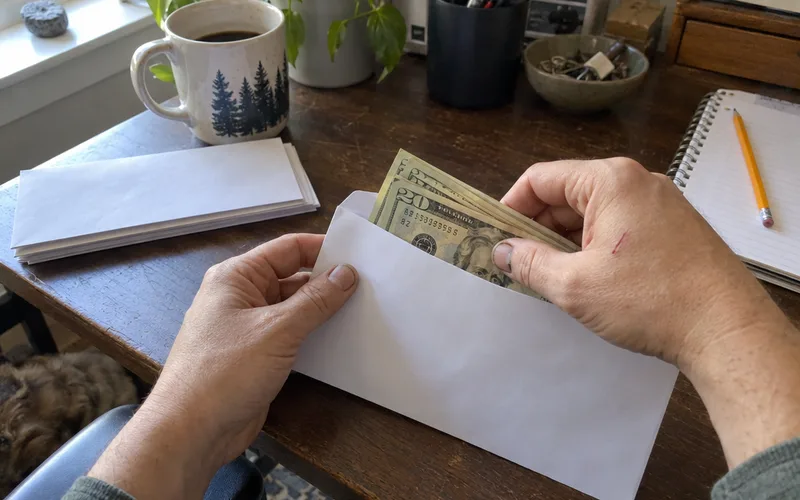
A free housing counselor is also worth a call. New York’s Department of Financial Services points residents to not-for-profit housing counselors, who can review your options at little or no cost.
The Bottom Line on Rent-to-Own
Rent-to-own puts your money at risk before the house is ever yours.
If you’re tempted, use the test you’d use for any big purchase decision: what do you get, what can you lose and who wrote the rules?
This week, call a nonprofit housing counselor and ask what it would take to buy with a regular mortgage instead.
Frequently Asked Questions
What are the disadvantages of renting to own?
The disadvantages of renting to own are a nonrefundable option fee, higher monthly payments, repair costs on a house you don’t own yet, a purchase price locked even if values fall, and no deed until the final payment. You can lose all of that money if the deal falls through.
Is rent-to-own ever a good idea?
Rent-to-own can be a reasonable idea when you know and trust the seller, the contract is recorded, an attorney reviews it and an independent inspector checks the house first. Without those protections, saving while you rent is usually the safer path to buying.
Can you be kicked out of a rent-to-own home?
Yes, a rent-to-own seller can usually remove you through eviction if you fall behind or break the contract, which is faster than a foreclosure. New York is an exception in some cases, because its equitable mortgage doctrine can require a foreclosure case instead.
Who pays for repairs on a rent-to-own house?
The buyer usually pays for repairs on a rent-to-own house, because most contracts shift maintenance to you even though you don’t own it yet. New York’s Department of Financial Services says these agreements put all of the repair cost on the consumer.
Do you lose your money if you don't buy a rent-to-own home?
You usually lose your option fee and any rent credits if you don’t buy a rent-to-own home, whether you walk away, can’t get a mortgage or default on the lease. Read the refund terms in your contract before you pay anything.
Is rent-to-own a good idea for first-time home buyers?
Rent-to-own is rarely a good idea for first-time home buyers, because it adds fees and legal risk to the stage when you have the least cushion. Talking to a nonprofit housing counselor about saving, credit and low down payment loans is usually a better first step.
Is it cheaper to rent or rent to own?
Renting is usually cheaper than renting to own month to month, because rent-to-own payments add a premium for rent credits on top of rent. The extra only pays off if you actually buy the house, which many rent-to-own buyers never do.