

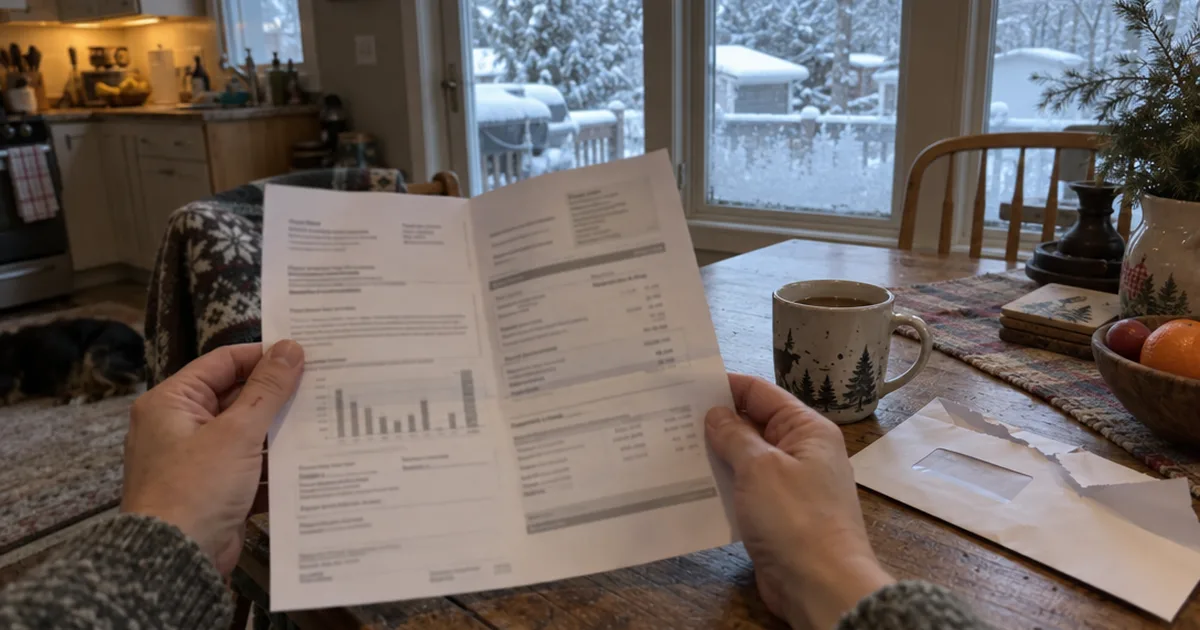
47% of U.S. homes heat mainly with natural gas, so winter bill shock is common.
That figure comes from the U.S. Energy Information Administration’s 2015 household energy survey, and in January most of those furnaces barely rest.
So if “why is my gas bill so high in the winter?” is the question in your head, you have plenty of company.
Below are the 2 forces behind every winter spike, how to read your bill to see which one hit you, and the fix for each.
Why Is My Gas Bill So High in the Winter?
Your gas bill is high in the winter because 2 things climb at once: how much natural gas your heating system burns, and often the price of each unit.
Most homes that use gas as their main heating fuel run a furnace. Natural gas furnaces are the most common main heating equipment in every U.S. climate region except the hot-humid Southeast, the EIA found.
So when the weather turns cold, the biggest gas user in the house goes from idle to running most of the day. Homes on heating oil or propane see the same winter jump, but this guide sticks to natural gas.
Your Furnace Runs Longer When It’s Cold
Heat always flows from warm to cold, and the bigger the gap, the faster it leaves your house.
Say you keep the house at 68°F. On a 50°F day, the gap is 18 degrees. On a 10°F night, it’s 58 degrees, so heat escapes through walls, windows and the attic far faster.
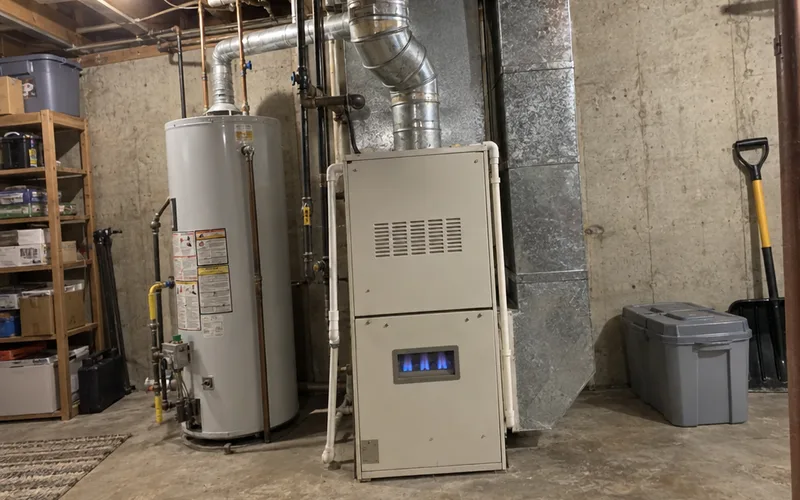
Your furnace has to replace every bit of that lost heat by burning more gas.
Utilities track this with heating degree days, a daily count of how far the average outdoor temperature falls below 65°F. More heating degree days in a month means a bigger bill, even if you never touch the thermostat.
Gas Costs More When Everyone Needs It
Natural gas prices usually rise in winter because almost every gas-heated home is burning more at the same time.
Demand for natural gas increases during colder months, and so does the price, according to Constellation, a natural gas supplier.
On many bills, the supply charge per therm can change from month to month. That means the same usage can cost you more in January than it did in November.
In other words, a winter gas bill can rise even if you burn exactly the same amount of gas.
Usage or Price: How to Tell Which One Went Up
To tell whether usage or price raised your gas bill, compare 2 numbers with the same month last year: the therms you used and the price per therm.
Grab both bills, or open them in your utility’s online account. It takes about 5 minutes.
Find the Therms You Used
A therm is the unit most gas utilities bill by, equal to 100,000 BTUs of heat. Some bills show CCF, or hundreds of cubic feet, instead.
Look for a line called “usage,” “therms used” or “total therms.” If that number is much higher than last January’s, your gas consumption went up.
Check the Price per Therm
Most bills split the charges into supply, sometimes called the commodity or gas cost, and delivery, which pays for the pipeline network and other infrastructure, plus a fixed monthly customer fee and taxes.
To get your all-in price, divide the total gas charges by the therms used. Then do the same for last year’s bill.
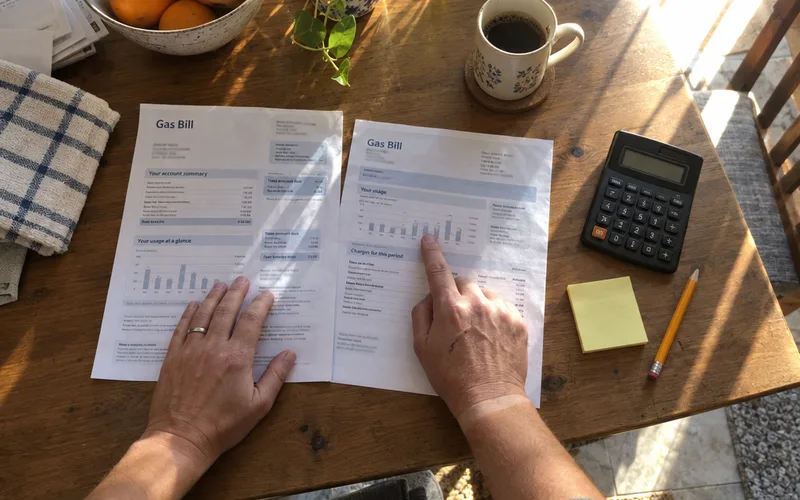
Here’s an example, with made-up numbers for easy math:
- Last January: 100 therms at $1.50 each = $150.
- This January: 100 therms at $1.80 each = $180.
- Same usage, $30 more. That’s a price problem, not a house problem.
Count the Billing Days
A billing period can run 28 days one month and 35 the next. Those extra days in the coldest part of winter add usage that has nothing to do with your habits.
So divide therms by billing days to get therms per day, and compare that instead.
Look for an Estimated Read
An estimated read means the utility guessed your usage instead of reading the meter. Bills usually mark it with an “E” or the word “estimated.”
If the last few bills were estimated low, the next actual read catches up all at once.
Key Takeaway: Higher therms point to a usage problem, and a higher price per therm points to a rate problem.
What Runs Up Your Gas Bill the Most in Winter
Space heating runs up a winter gas bill the most in a gas-heated home, because a furnace or boiler burns gas for hours every cold day. Water heating is usually next, with the clothes dryer, stove and fireplace adding smaller amounts.
Here’s where the gas goes in a typical gas-heated house:
- Furnace or boiler: The central heating system does the heavy lifting from November to March.
- Water heater: Incoming water is colder in winter, so the tank burns more gas to heat it, and longer hot showers add more.
- Clothes dryer: A gas dryer runs more when heavy winter clothes and bedding fill the hamper.
- Stove and oven: More home cooking in cold months nudges usage up.
- Gas fireplace: A fireplace that runs for hours can burn a surprising amount, and a pilot light that stays lit burns gas all season.
So if you want the biggest savings, start with the heating system and the water heater, not the stove.
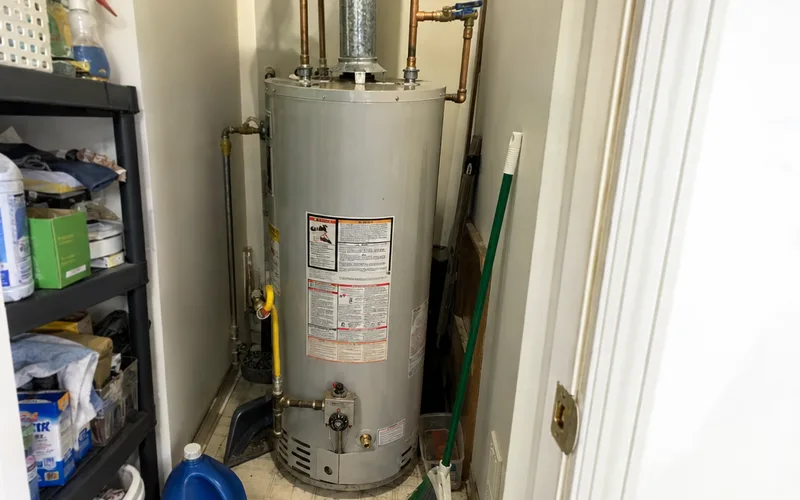
If your water heater dial sits on its hottest setting, turning it down a notch cuts the gas it burns just keeping the tank hot.
Home Problems That Make a Winter Gas Bill Spike
Drafts, thin attic insulation, leaky ductwork, a clogged air filter and a high thermostat setting all raise a winter gas bill. Each one makes the furnace run longer for the same comfort.
The good news? Most of them are cheap to check this weekend.
Drafts and Thin Insulation
Warm air that slips out around doors, windows and electrical outlets gets replaced by cold air the furnace has to heat again. On a windy day, hold your hand near a window frame or door edge and feel for moving air.
Seal small gaps with caulk and add weatherstripping to doors that let in light. In the attic, if you can see the tops of the floor joists, there’s probably not enough insulation.
Check the basement and crawl space too, since cold floors often mean heat loss from below.
A Clogged Air Filter or Tired Furnace
A dirty air filter chokes airflow, so the furnace runs longer to push the same heat through the house. Check it monthly in winter and replace it when it looks gray.
Leaky ductwork in an attic or crawl space can dump heated air where you never feel it. An annual tune-up checks combustion, the burners, the heat exchanger and the venting.
And any home with gas appliances needs a working carbon monoxide detector near the bedrooms.
Thermostat Settings That Fight You
Cranking the thermostat up doesn’t heat the house faster. It just makes the furnace run longer once it gets there.
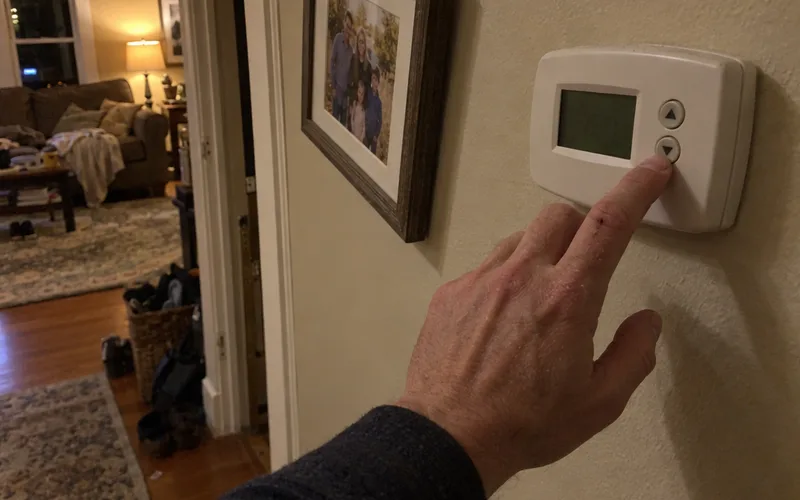
A programmable thermostat or smart thermostat can lower the heat while you sleep or work, then warm the house before you get up or come home. There are more heating-specific ideas in this guide to saving on your heating bill.
Why Is My Gas Bill So High All of a Sudden?
A gas bill that jumps all of a sudden is usually a catch-up after estimated meter reads, a longer billing period, a cold snap or a new rate. Less often, it’s a gas leak or an appliance that’s stuck on.
Here are the usual suspects, most common first:
- Estimated reads: A low guess for a month or two, then an actual read that bills the difference.
- More billing days: A 35-day period after a 28-day one.
- A cold snap: A winter storm or run of very cold days that pushes heating degree days up.
- A new rate: A variable supply rate that reset higher.
- A stuck appliance or leak: Rare, but worth ruling out.
Work through the bill checks first. Then call your public utility if the numbers still don’t add up.
Here’s what to say: “My bill went up a lot compared with the same month last year. Was my last read actual or estimated, did my rate change, and can you check my meter?”
If the reads were estimated, ask for an actual read and a corrected bill. And if the meter itself might be faulty, ask the utility to test it.
Never just pay a sudden spike without asking whether the read was real.
Why Is My Gas Bill High When No One Is Home?
A gas bill stays high when no one is home because the furnace still holds the thermostat setting and the water heater keeps its tank hot all day. The price per therm doesn’t change either.
So turn the thermostat down before a trip, keeping it warm enough that pipes won’t freeze. Most water heaters also have a “vacation” setting.
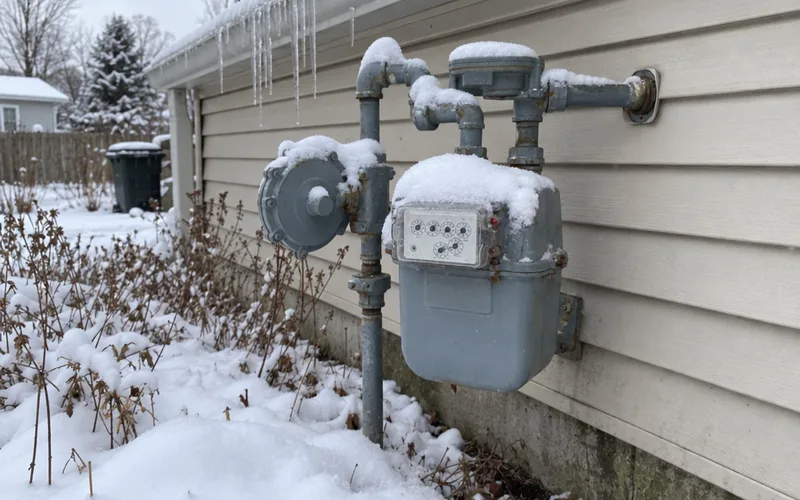
Want to know if something is using gas when it shouldn’t? Turn off every gas appliance, then watch the meter’s dial for a few minutes.
If the dial keeps moving, call your utility, because something is still drawing gas.
Can a Gas Leak Raise Your Bill?
A gas leak can raise your bill when it’s on your side of the meter, because the escaping gas still passes through the meter. A small leak on an outdoor line may show up only as unusual usage.
Note: Utilities add a rotten-egg smell called mercaptan to gas so you can notice a leak. If you smell it, leave right away, don’t flip switches or light anything, and call your gas utility or 911 from outside.
A leak isn’t the first thing to suspect, but it’s the one cause you can’t wait on. So if the meter test above shows gas moving with everything off, make that call today.
Do Space Heaters Lower a Winter Gas Bill?
Space heaters can lower a winter gas bill only by shifting part of your heating to electricity, so they save money only when you heat 1 small room and turn the furnace down.
Running one beside a furnace that still heats the whole house just adds a second bill.
Plenty of homes already do this. The EIA’s 2015 survey found 37% of U.S. households use a secondary heat source, and almost half of them pick portable electric heaters.
The catch is your electric bill. A heater that runs for hours moves that cost to your electricity bill instead of erasing it.
This breakdown of whether space heaters save money walks through that math. And for a long-term swap, an air source heat pump, or a pricier geothermal heat pump, is the electric option most people compare against a gas furnace.
How to Lower a High Winter Gas Bill
You can lower a high winter gas bill fastest with 4 moves: a lower thermostat at night, sealed drafts, a clean furnace filter and a cooler water heater setting.
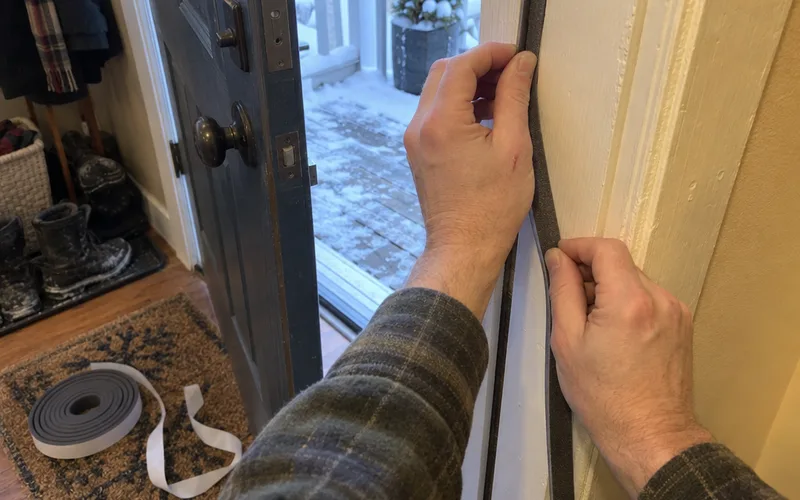
Do them in this order, free fixes first:
- Set the thermostat lower at night and while you’re out.
- Close vents and doors in rooms you don’t use.
- Replace or clean the furnace air filter.
- Turn the water heater down a notch.
- Caulk and weatherstrip the worst drafts.
- Ask your utility about a free or low-cost energy audit of your home’s energy use and rebates on energy efficient Energy Star equipment.
Renters can do steps 1 through 4 without asking anyone, and these apartment energy saving tips cover the rest.
Before you buy any plug-in gadget that promises big savings, check whether energy saving devices really work.
For the full list of tactics, see how to lower your gas bill. And if your power bill is climbing too, try these ways to save on your electric bill.
How to Smooth Out or Get Help With a Winter Gas Bill
Budget billing, fixed-rate plans and energy assistance won’t shrink the gas you burn, but they can make a winter gas bill easier to pay.
Budget Billing
Budget billing spreads your yearly gas cost into similar monthly payments, so January doesn’t land as one huge bill.
Eversource, a New England utility, invites customers to sign up for Budget Billing on its winter bill page. It also says it’s rolling out winter bill relief in Massachusetts to help during the coldest months.
Expect a true-up, when the utility settles any difference between what you paid and what you used. If you’d rather save ahead yourself, a sinking fund for seasonal bills does the same job.
Fixed-Rate Plans in Choice States
A fixed-rate natural gas plan is worth a look if your state lets you choose a gas supplier and you want a price that won’t jump in a cold snap.
On a variable rate, your bill follows market prices, while a fixed price contract protects your budget against swings in gas prices, Constellation explains.
Read the contract length and any early cancellation fee before you sign.
Help Paying: LIHEAP and Utility Programs
The federal Low Income Home Energy Assistance Program, or LIHEAP, helps eligible households pay heating bills. Its sister program, the Weatherization Assistance Program, can fix drafts and insulation for free.
Apply through your state or local LIHEAP office.
Your utility may also offer payment plans or hardship programs. A short script works:
“I can’t pay this full bill right now. What payment plans or assistance programs can I qualify for?”
What to Do This Week
Most winter gas bills are high for 1 of 2 reasons: you burned more, or each therm cost more.
Pull out this bill and last year’s same-month bill, then compare therms per day and price per therm tonight.
That one check tells you whether to fix the house or the rate. This site’s guide to lowering your bills has the next step for both.
Frequently Asked Questions
What runs up your gas bill the most?
Space heating runs up a gas bill the most in a gas-heated home, because the furnace or boiler burns gas for hours every cold day. The water heater is usually the next biggest user, so check those 2 before you worry about the stove or dryer.
What is a normal gas bill in the winter?
A normal winter gas bill is one close to your own bill for the same month last year, once you adjust for colder weather, extra billing days and any rate change. Compare the therms used on both bills, then see typical amounts in our look at the average gas bill in winter.
Why is natural gas going up?
Natural gas prices go up in winter because demand for natural gas rises in colder months, and Constellation, a gas supplier, notes the price rises with it. On a variable-rate plan, that change lands on your bill the same month.
How to decrease gas bill in winter?
To decrease a gas bill in winter, lower the thermostat when you sleep or leave, seal drafts around doors and windows, change the furnace filter and turn the water heater down a notch. Start with the thermostat, because it costs nothing and works the same day.
Why did gas suddenly get more expensive?
Natural gas usually gets more expensive suddenly when a cold snap drives demand up or a variable supply rate resets higher. Check the price per therm on your last 2 bills to see whether the rate, not your usage, changed.
Does budget billing lower my winter gas bill?
Budget billing does not lower the total you pay for gas over a year, because it only spreads that cost into similar monthly payments. It helps when the problem is a few painful winter months, not a high yearly total.