

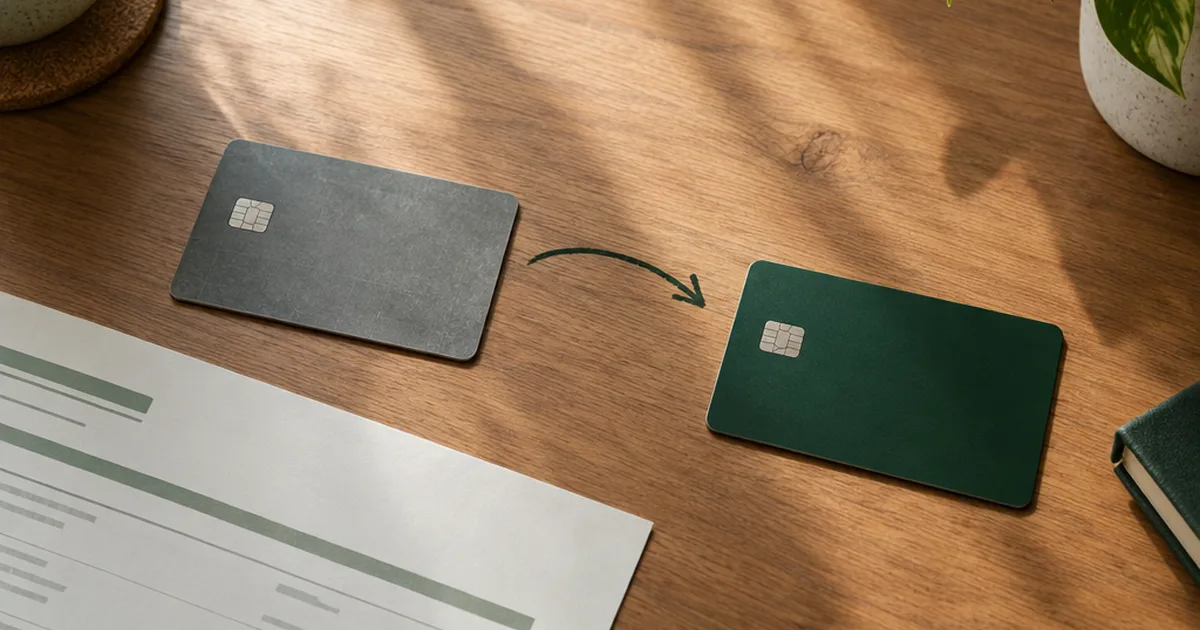
A credit card balance transfer moves some or all of a card balance to another credit card. The old account usually stays open after the transfer.
The key is to treat the transfer as a payment in progress, not as an instant account closure. It moves credit card debt; it is not a cash payment or a loan. You still need to watch the old account, confirm how much moved, and pay anything that remains. Once both accounts show the right amounts, you can decide whether keeping the old card supports your plan or makes new debt more likely.
What happens to the old card right away
The old card does not normally vanish when you request a balance transfer. Its balance should fall by the amount that the new card issuer sends to it. The account itself can stay open with the same card number, credit line, fees, rewards rules, and other terms set by its issuer.
Do not assume the transfer is finished when the new card first shows a charge. Processing can leave a period when one account shows the transfer and the other has not posted it yet. Check both accounts until the transferred amount appears as a payment or credit on the old card.
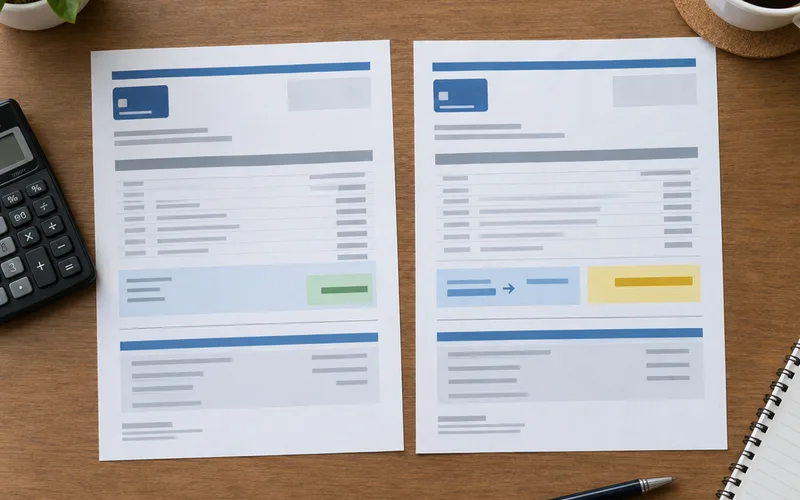
A full transfer can leave a small balance
Even if you requested the full balance, the old card may not land at exactly zero. New purchases, recurring charges, a fee, or interest added while the transfer was processing can leave money due. The amount approved on the new card may also be lower than the amount you requested.
Read the old card’s next statement rather than relying only on the balance you saw when you applied. That statement shows whether a balance, interest, or another charge is still due.
A partial transfer leaves the rest behind
A balance transfer does not have to cover the full debt. If only part of the balance moves, the old card keeps the unpaid part under its existing interest rate and payment terms. You then have required payments on both accounts.
Write down the amount requested, the amount approved, and the amount posted. Those three figures can differ, and comparing them makes a shortfall easier to spot.
Keep paying until the transfer is confirmed
Continue making at least the required payment on the old card while the transfer is pending. A request sent to the new card issuer does not pause the old account’s due date. Missing that date can lead to a late fee and may affect your payment history.
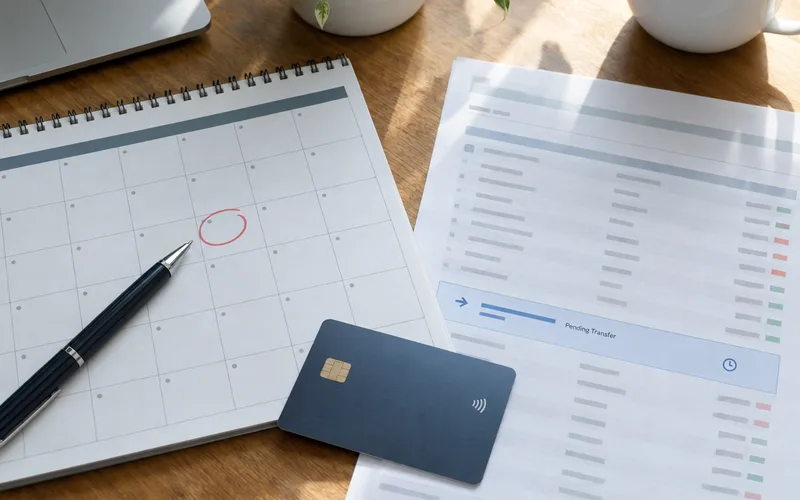
The safest sequence is simple:
- Make the old card’s required payment by its due date.
- Wait for the transfer to appear on both accounts.
- Confirm the amount that actually posted.
- Pay any balance that remains on the old card.
- Check the following statement for new interest or recurring charges.
If a payment and the transfer both post, the old card may show a credit balance. Contact the card issuer to ask how it handles that credit instead of trying to reverse a payment on your own.
Can you use the old credit card again?
You can usually use an open old card after its available credit returns. That does not mean using it is a good fit for your payoff plan. A new purchase can rebuild the debt you just moved and create another payment to track.
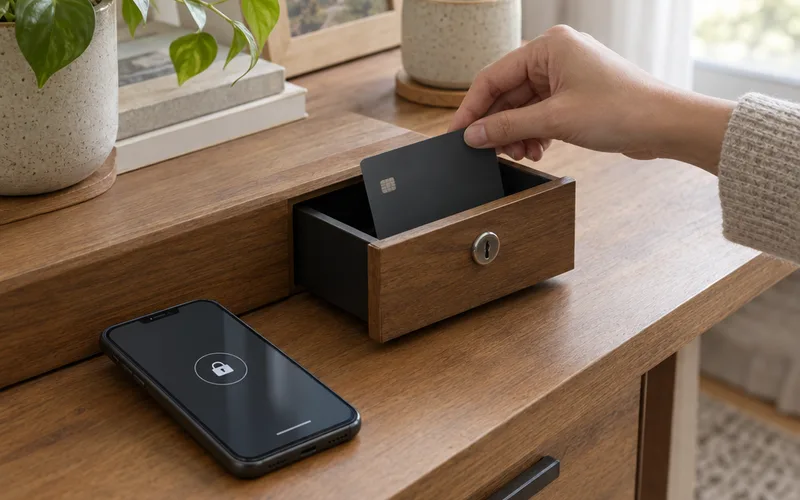
If you want the account open without easy access to it, remove the card from digital wallets and shopping accounts. You can also store the physical card in a secure place or use an issuer’s card-lock feature when one is available. These steps reduce casual use while leaving the account in place.
Move recurring charges deliberately
Review subscriptions and automatic payments tied to the old card. An annual service, utility bill, or app renewal can post months after you think the balance is gone.
Choose where each recurring charge should go, then update it with the merchant. Keep checking the old card until at least the next statement closes. You may leave a small recurring charge on the card to keep it active. If you do, set an automatic payment and a spending alert so you do not forget it.
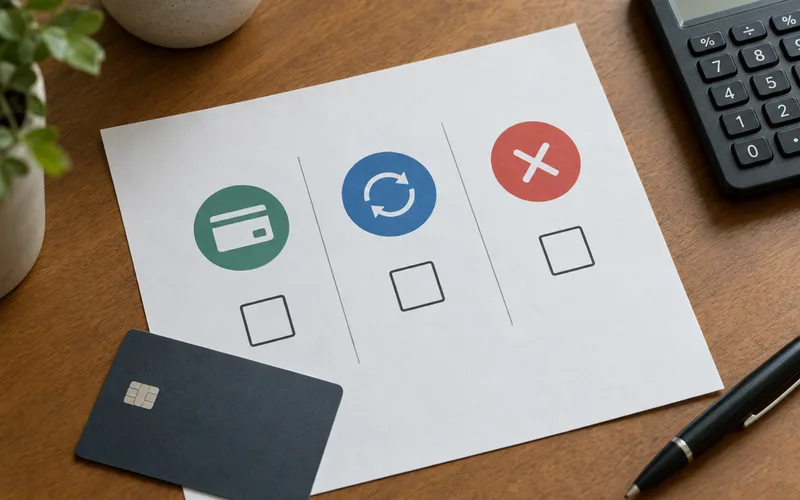
Should you keep the old card open?
Keeping the old card can make sense when it has no annual fee, is easy to monitor, and does not tempt you to spend. It can also serve as a backup for an emergency. An open account also adds its credit limit to your total limit. That can matter to credit utilization, which compares reported card balances with total card limits.
The decision is less clear when the card charges a fee or creates a real risk of new debt. An unused account still needs fraud monitoring, current contact details, and occasional review of its terms.
Reasons to keep it
- It has no annual fee.
- It is one of your older credit accounts.
- Its credit line can help keep total utilization lower.
- It offers a benefit you still use without extra spending.
- You can lock or store it and monitor it reliably.
Reasons to close it
- An annual fee costs more than the card’s useful benefits.
- Easy access makes overspending likely.
- Another login, statement, and fraud risk are hard to track.
- The issuer will not offer a no-fee product change that suits you.
- You have reviewed the possible credit effect and still value a simpler account list more.
Before closing a fee-bearing card, ask whether the issuer can move the account to a no-annual-fee product. Ask how the account age, card number, rewards, and credit line would be handled. General financial advice cannot answer that product question because the result depends on the issuer and the options available to you.
How closing the old card may affect your credit
Closing a card can change your credit score, but the result is not the same for every person. One immediate concern is utilization. Closing the account removes its credit line from that calculation. Your other reported balances do not fall at the same time.
Suppose two cards have a combined $10,000 limit and report $2,000 in balances. That is 20% overall utilization. Now suppose you close the card with a $5,000 limit while the $2,000 balance remains elsewhere. The same debt would use 40% of the limit that is left. This example shows the direction of the change, not a promised score result.
A newly opened balance-transfer card may also add a hard inquiry and reduce the average age of your open accounts. Payment history and the balances that issuers report still matter after the move. The best response is to pay on time, keep new balances controlled, and review your credit reports for accurate account information.
If you expect to apply for a mortgage soon, ask lenders how they will view the change. The timing of new accounts and reported balances can matter during underwriting, as explained in the site’s article on debt consolidation before buying.
What happens to the new balance-transfer card
The new card becomes the account that holds the transferred debt. Its statement shows the balance, required payment, balance transfer fee if one applies, and the annual percentage rate for the offer.
Record the date the introductory APR ends and the rate that can apply afterward. Then divide the balance you plan to repay by the number of monthly payments available. This gives you a starting payment target, though you should also account for fees and any purchases allowed under the card’s terms.
Keep purchases separate when possible
New purchases may follow different interest or grace-period rules. Read the card agreement before using the new card for everyday expenses. Mixing purchases with transfer debt can make the payoff harder to follow.
A separate budget line for the transfer payment makes progress easier to see. Set alerts for the due date, the promotional end date, and any change in the minimum payment.
Why a credit score can drop after a transfer
A score may move after a balance transfer because several account details change at once. The application may create a hard inquiry, a new account can affect account age, and balances can report at different times during the move. The new card may briefly show the debt before the old card reports its lower balance.
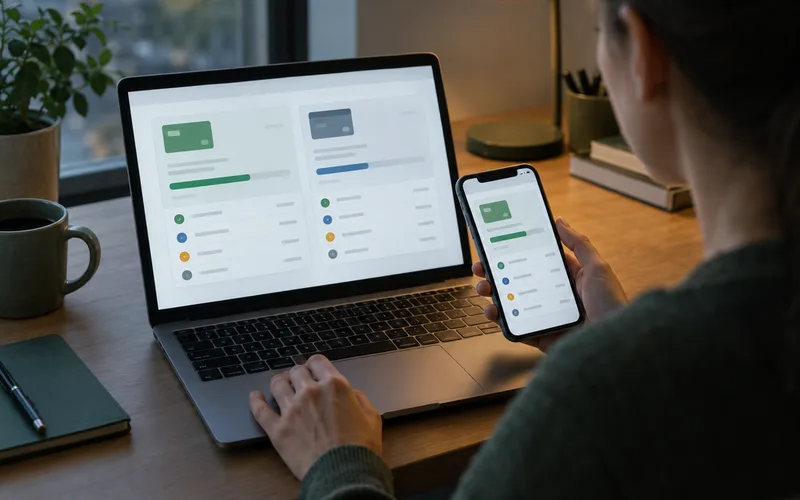
Closing the old card soon afterward can also reduce total available credit. These changes do not prove that the transfer failed. Review the underlying reports and balances instead of reacting to one score update.
Common problems after a balance transfer
Most trouble comes from treating the request as complete before both issuers finish their work. Use the account records to identify which problem you have.
The transfer shows on one card but not the other
Save the confirmation and note when the request was submitted. Keep the old account current, then contact the new issuer if the stated processing window has passed. Do not submit the same transfer again unless the issuer tells you the first request failed.
The old card still has a balance
Compare the approved transfer with the old statement. Look for an amount that was not transferred, interest added after the request, purchases, subscriptions, or returned payments. Pay valid remaining charges under the old card’s terms.
The old card was closed unexpectedly
A card issuer may close an account under its terms. This can happen after long periods without use or for other account reasons. Contact the issuer to confirm the status and whether any balance, rewards, credit, or required action remains. Update merchants that still have the card saved.
A checklist before you stop watching the old card
Use this list after the transfer posts:
- The amount on the old card fell by the amount that actually transferred.
- Any balance left behind has a payment plan.
- The old card’s next due date is covered.
- Recurring charges have been moved or intentionally kept.
- Automatic payments draw from the right bank account.
- Fraud and purchase alerts are active on both cards.
- The introductory APR end date is on your calendar.
- Your payoff amount includes any transfer fee.
- You have chosen to keep, lock, change, or close the old account.
Do not close the old account merely because its current balance reads zero. First make sure the transfer has settled and the next statement is clear. Then choose the option that fits your fees, credit profile, and wider personal finance and debt management plan.
Frequently Asked Questions
What is the downside of a balance transfer credit card?
A transfer may charge a fee, the low APR may last only for a set period, and a new application may affect your credit. It can also fail as a payoff strategy if you rebuild debt on the old card or miss payments while the transfer is processing.
Why did my credit score drop after balance transfer?
The application, new account, changed utilization, or timing of issuer reports may contribute to a drop. Check the balances and account details on your credit reports because a score alone does not show which factor changed.
Does a balance transfer cancel your old card?
Usually, no. The old card commonly stays open unless you close it or the issuer closes it under the account terms. Confirm the status directly with the old card issuer.
What happens to existing balance after balance transfer?
The amount that successfully transfers moves to the new card. Any amount that was not transferred remains on the old card and must still be paid under that account’s terms.